
Sciatica: Why It Happens & What You Can Do Beyond Painkillers
Sciatica can be frustrating, scary, and incredibly limiting. The pain can shoot down your leg, make sitting uncomfortable, and turn everyday movements into a challenge. Many people are told to “just take painkillers and rest,” but that approach rarely fixes the real problem.
At Thrive Physio, we help people understand why sciatica happens — and more importantly, what they can do to manage it effectively and get back to normal life.
What Is Sciatica?
Sciatica isn’t actually a diagnosis — it’s a symptom.
It refers to pain that travels along the sciatic nerve, which runs from the lower back, through the hips and buttocks, and down the leg. Symptoms can include:
Sharp, shooting leg pain
Burning or electric sensations
Numbness or tingling
Weakness in the leg or foot
Sciatic pain usually affects one side, but the intensity and pattern can vary.
Why Does Sciatica Happen?
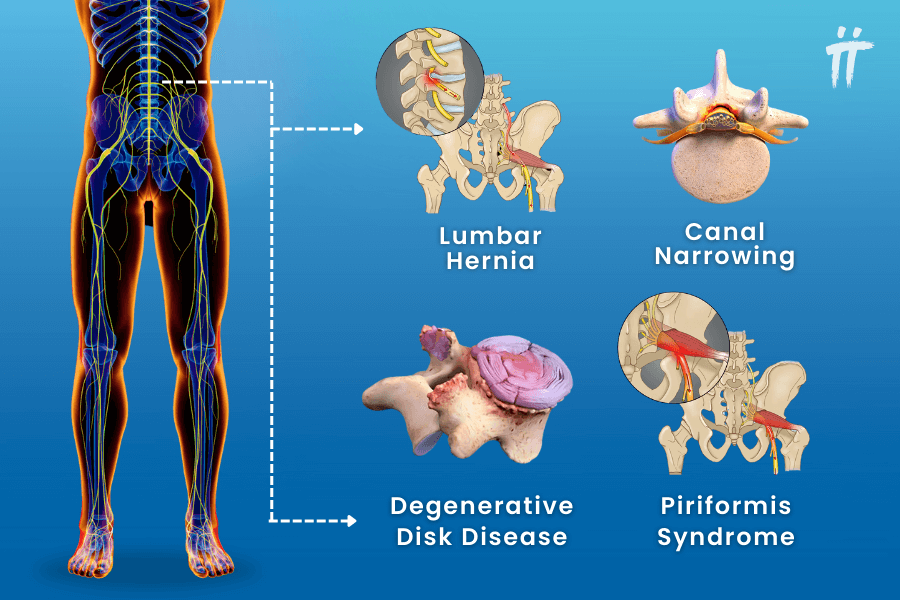
Sciatica occurs when the sciatic nerve becomes irritated or compressed. Common causes include:
1. Disc Bulge or Herniation
A bulging or herniated disc in the lower spine can press on a nerve root.
2. Spinal Joint Irritation
Stiff or inflamed spinal joints can reduce space around the nerve.
3. Muscle Tension or Spasm
Tight muscles (such as the piriformis) can irritate the nerve.
4. Reduced Movement or Prolonged Sitting
Long periods of sitting, especially with poor posture, can sensitise the nerve.
5. Load or Movement Issues
Sudden increases in lifting, bending, or twisting can overload spinal structures.
At Thrive Physio, we often find that sciatica is rarely caused by just one thing — it’s usually a combination of movement, load, and sensitivity.
Why Painkillers Alone Aren’t the Answer
Medication can help reduce pain in the short term, but it doesn’t:
Address the cause of nerve irritation
Restore movement or strength
Improve long-term resilience
Relying on painkillers alone can lead to ongoing flare-ups and frustration. A more effective approach focuses on movement, load management, and targeted rehabilitation.
What You Can Do Beyond Painkillers
1. Keep Moving (Within Tolerance)
Complete rest often makes sciatica worse. Gentle, regular movement helps reduce nerve sensitivity and stiffness.
2. Improve Spinal Mobility
Specific exercises can help restore motion and reduce pressure on irritated nerves.
3. Strengthen Supporting Muscles
Strong core, hip, and glute muscles help reduce strain on the lower back.
4. Address Sitting and Posture Habits
Simple changes to how long and how you sit can make a big difference.
5. Gradually Reload the Spine
Avoiding activity for too long can increase sensitivity. Progressive loading helps tissues adapt and recover.
At Thrive Physio, rehab programs are tailored to your symptoms, lifestyle, and goals — not just a generic set of exercises.
When Should You See a Physiotherapist?
You should seek professional help if:
Pain lasts more than a few days
Symptoms are worsening
Pain travels below the knee
You experience numbness, weakness, or pins and needles
Sciatica keeps returning
Early assessment can prevent symptoms from becoming chronic and harder to manage.
How We Treat Sciatica at Thrive Physio
At Thrive Physio, we don’t just treat the pain — we assess the whole picture, including:
Movement patterns
Strength and flexibility
Daily activities and workload
Triggers and flare-up patterns
Treatment may include:
Hands-on therapy
Targeted exercise programs
Education around movement and posture
Gradual return-to-activity planning
Our goal is to help you feel confident moving again — without relying on medication.
The Takeaway
Sciatica is a symptom, not a diagnosis
Painkillers can help short term but don’t fix the cause
Movement and rehab are key to long-term relief
Early, individualised physiotherapy leads to better outcomes
If you’re dealing with sciatic pain and want more than temporary relief, the right approach can make a huge difference.
Need Help With Sciatica?
At Thrive Physio, we take an evidence-based approach to treating sciatica and lower back pain. Whether your symptoms are new or ongoing, we can help you understand what’s happening and guide you toward lasting relief.
Book an appointment with Thrive Physio to get back to moving comfortably.