
Knee Pain in Fielders: Common Causes & Solutions
If you’re a fielder, you already know the job isn’t just about quick reflexes and strong throws. It’s explosive sprints, sudden stops, deep squats, dives, and long hours on your feet. Over time, all that load can take a toll on your knees.
At Thrive Physio, we regularly treat fielders dealing with knee pain that affects performance, confidence, and long-term joint health. The good news? Most knee pain is manageable—and often preventable—with the right approach.
Let’s break down the most common causes and what you can do about them.
Why Fielders Are Prone to Knee Pain
Fielding demands repetitive bending, twisting, pivoting, and impact. Whether you play cricket, baseball, or softball, the knee absorbs large forces during:
Rapid changes of direction
Squatting and crouching
Jumping and landing
Diving and sliding
Long periods standing in semi-flexed positions
Over time, this can overload the joint structures—especially if strength, mobility, or technique aren’t optimal.
Common Causes of Knee Pain in Fielders
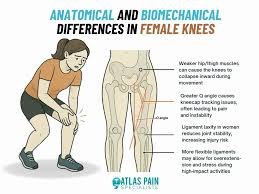
1. Patellofemoral Pain Syndrome (Runner’s Knee)
This is one of the most common causes of knee pain in athletes. It usually presents as:
Pain around or behind the kneecap
Discomfort when squatting or going downstairs
Stiffness after long periods of sitting
For fielders, repeated squatting and lunging can irritate the joint between the kneecap and thigh bone.
Why it happens: Weak hip muscles, poor knee alignment, or sudden increases in training load.
2. Patellar Tendinopathy (Jumper’s Knee)
Frequent jumping, explosive take-offs, and hard landings can irritate the patellar tendon.
Symptoms include:
Pain just below the kneecap
Tenderness when pressing the tendon
Pain that worsens with sprinting or jumping
Left untreated, this can become persistent and impact performance.
3. Meniscus Irritation or Tears
The meniscus acts as a shock absorber inside the knee. Sudden twisting while the foot is planted—common during quick directional changes—can strain or tear it.
Signs may include:
Clicking or locking
Swelling
Pain when twisting or pivoting
Not all meniscus injuries require surgery, but they do need proper assessment.
4. Iliotibial (IT) Band Syndrome
More common in outfielders who cover long distances, IT band irritation causes pain on the outside of the knee.
It’s often linked to:
Weak glute muscles
Poor running mechanics
Tight lateral thigh structures
5. Load Overload & Poor Recovery
Sometimes the issue isn’t one specific injury—it’s simply doing too much, too soon.
Pre-season spikes in training, back-to-back matches, or returning too quickly after time off can overwhelm the knee’s capacity to handle load.
Solutions: How to Treat and Prevent Knee Pain
1. Strengthen the Right Muscles
Strong muscles reduce stress on the knee joint. Key areas include:
Glutes (hip stabilisers)
Quadriceps
Hamstrings
Calves
Targeted strength programs significantly reduce knee pain and injury risk.
2. Improve Movement Mechanics
Small technique tweaks can make a big difference:
Avoid knees collapsing inward when squatting or landing
Strengthen hips to improve alignment
Refine cutting and pivoting technique
At Thrive Physio, we assess how you move—not just where it hurts.
3. Manage Training Load
Your knees adapt to what you consistently do—not sudden spikes.
Gradually increase intensity
Schedule rest days
Monitor soreness that lasts more than 24–48 hours
Recovery is part of performance.
4. Don’t Ignore Early Symptoms
Mild discomfort during squats or lunges is often an early warning sign. Addressing it early can prevent long-term problems.
The longer pain persists, the more sensitive the joint can become.
5. Get a Professional Assessment
Every knee is different. A proper physiotherapy assessment helps identify:
The exact pain source
Contributing strength or mobility deficits
Sport-specific demands
A clear rehab and return-to-play plan
Generic exercises from the internet won’t always solve the root cause.
When Should Fielders Seek Help?
You should consider booking an appointment if:
Pain lasts more than 1–2 weeks
Swelling keeps returning
Your knee feels unstable or locks
Performance is dropping due to discomfort
Early intervention leads to faster recovery and fewer setbacks.
Play Stronger, Move Better
Knee pain doesn’t have to sideline you or limit your potential. With the right strength program, smart load management, and targeted physiotherapy, most fielders can return to full performance—often stronger than before.
If you’re dealing with knee pain, the team at Thrive Physio is here to help you understand the cause, fix the root issue, and get you back on the field with confidence.