
Cricket Shoulder & Elbow Injuries: Prevention & Rehab Strategies
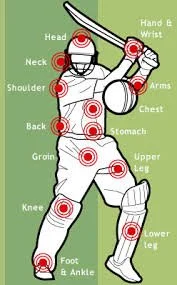
Cricket places repeated stress on the shoulder and elbow. Bowling, throwing, and even batting expose these joints to high forces over long periods — especially during pre-season and busy match schedules. It’s no surprise that shoulder and elbow pain are some of the most common complaints among cricketers.
At Thrive Physio, we regularly work with cricketers of all ages and levels to manage pain, prevent injury, and get them back on the field with confidence.
Why Shoulder & Elbow Injuries Are So Common in Cricket
Cricket injuries rarely come from one single moment. More often, they develop gradually due to:
Repetitive bowling and throwing
Sudden increases in training or match workload
Fatigue during long spells or matches
Reduced shoulder or trunk strength
Limited mobility through the shoulder or upper back
When the body can’t tolerate the load being placed on it, pain is often the first warning sign.
Common Cricket Shoulder Injuries
Rotator Cuff Pain
The rotator cuff muscles help stabilise the shoulder during overhead movements. Repeated bowling or throwing can overload these tissues.
Common symptoms include:
Pain when lifting or throwing
Reduced power or accuracy
Shoulder fatigue
Shoulder Impingement or Irritation
Occurs when shoulder structures become irritated during repeated overhead motion.
Often seen in:
Fast bowlers
Fielders with high throwing volumes
Shoulder Instability
More common in younger players or those with hypermobility.
Signs may include:
Clicking or slipping sensations
Pain during fast bowling or throwing
Lack of confidence in the shoulder
Common Cricket Elbow Injuries
Medial Elbow Pain
Often linked to bowling mechanics and repetitive throwing loads.
Lateral Elbow Pain
Can develop from repeated gripping forces during batting or throwing.
Growth-Related Elbow Pain
Seen in junior cricketers when workloads increase too quickly during growth periods.
At Thrive Physio, elbow pain is rarely treated in isolation — shoulder strength, trunk control, and workload all play a role.
Prevention Strategies for Shoulder & Elbow Injuries
1. Manage Bowling & Throwing Load
Sudden spikes in workload are one of the biggest injury risk factors.
Key strategies include:
Gradual build-up during pre-season
Adequate rest days
Monitoring pain and fatigue
2. Build Shoulder & Elbow Strength
Targeted strength training improves resilience and load tolerance.
Important focus areas:
Rotator cuff muscles
Shoulder blade control
Forearm and grip strength
3. Maintain Mobility Where Needed
Restricted shoulder or thoracic spine movement can increase stress on the elbow and shoulder.
Mobility should support performance — not be forced.
4. Train the Whole Body
Shoulder and elbow load is influenced by:
Core stability
Hip and leg strength
Trunk control during bowling and throwing
Efficient force transfer reduces unnecessary strain on the arm.
Rehab Strategies That Support Return to Play
Effective rehab is more than resting until pain settles. At Thrive Physio, rehabilitation focuses on:
Progressive strengthening
Restoring control and confidence
Gradual return to bowling and throwing
Education around load management
Returning too quickly is one of the most common reasons cricket injuries become recurring problems.
When Should You See a Physiotherapist?
You should seek assessment if:
Pain lasts longer than a week
Bowling or throwing performance drops
Pain increases during or after matches
Strength or range of motion is reduced
Injuries keep returning each season
Early physiotherapy can significantly reduce time away from cricket.
How Thrive Physio Helps Cricketers
At Thrive Physio, we take a cricket-specific, individualised approach. We assess:
Shoulder and elbow strength and mobility
Movement control and technique demands
Training load and recovery
Position-specific demands (bowler, batter, fielder)
Treatment is tailored to where you are in the season and your playing goals.
The Takeaway
Shoulder and elbow injuries are common in cricket
Most injuries develop from workload and fatigue, not one incident
Strength, mobility, and load management are key
Early, targeted rehab improves outcomes and performance
If shoulder or elbow pain is affecting your cricket, the right strategy can help you return stronger and more confident.
Need Help With a Cricket Injury?
At Thrive Physio, we help cricketers manage shoulder and elbow injuries, reduce injury risk, and return to play safely. Whether you’re dealing with a new issue or a recurring problem, we’re here to help.
Book an appointment with Thrive Physio to get started.