
Core Stability for Batsmen: Exercises for Power & Control
Whether you’re facing fast bowling, playing spin, or batting for long periods, strong core stability is a key factor in performance and injury prevention. At Thrive Physio, we see many cricketers underestimate the role their core plays in generating power, maintaining balance, and protecting their body through repetitive batting movements.
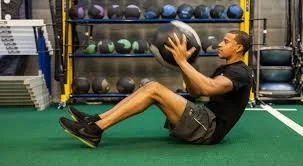
Core stability isn’t just about having “abs” — it’s about control, timing, and efficient force transfer. Let’s look at why it matters for batsmen and how to train it properly.
Why Core Stability Matters for Batsmen
Batting is a highly rotational, explosive movement that requires coordination between the upper and lower body. Your core acts as the link between your legs and your bat, allowing power to be transferred efficiently.
A strong, well-controlled core helps batsmen:
Generate more bat speed and shot power
Maintain balance during shots and footwork
Control trunk rotation and posture
Reduce stress on the lower back, hips, and groin
Perform consistently during long innings
At Thrive Physio, core weakness or poor control is a common contributor to low back pain, side strains, hip issues, and overuse injuries in cricketers.
Core Strength vs Core Stability (There’s a Difference)
Many gym programs focus on core strength — how hard you can contract your muscles. Core stability, however, is about maintaining control during movement, especially when forces are high and unpredictable (like facing a fast bowler).
For batsmen, core stability means:
Controlling rotation rather than just creating it
Staying strong through asymmetrical positions
Bracing effectively while still moving freely
Both strength and stability matter, but stability is often the missing piece.
Key Core Muscles for Batting
Effective core stability involves more than just the rectus abdominis (six-pack muscles). Important muscles include:
Deep abdominals (transversus abdominis)
Obliques (important for rotation and control)
Multifidus and spinal stabilisers
Glute muscles (hip stability and power transfer)
Diaphragm and pelvic floor (bracing and pressure control)
Training these muscles together helps create a resilient, powerful batting base.
Core Stability Exercises for Batsmen
The best exercises are those that challenge control, rotation, and single-side loading, similar to batting demands.
1. Dead Bug Variations
Excellent for building deep core control without overloading the spine.
Why it helps:
Improves coordination between upper and lower body while maintaining a stable trunk.
2. Pallof Press (Anti-Rotation)
Using a resistance band or cable, press away from the body while resisting rotation.
Why it helps:
Trains the core to resist unwanted rotation — crucial when playing controlled shots.
3. Side Plank Progressions
Include leg lifts or rotation variations as strength improves.
Why it helps:
Targets obliques and lateral stability, helping reduce side strain and back injuries.
4. Cable or Medicine Ball Rotations
Performed with control rather than max speed.
Why it helps:
Builds rotational strength and teaches the core to transfer force efficiently.
5. Single-Leg Romanian Deadlift
Often overlooked as a core exercise.
Why it helps:
Challenges balance, hip stability, and trunk control — key for stable footwork at the crease.
How Often Should Batsmen Train Core Stability?
For most cricketers:
2–3 sessions per week is ideal
Quality matters more than quantity
Exercises should progress over time
Fatigue should not compromise technique
Core training should complement batting practice, strength training, and bowling workloads — not compete with them.
Common Core Training Mistakes We See at Thrive Physio
Some frequent issues we help correct:
Overdoing sit-ups and crunches
Ignoring rotation and anti-rotation work
Training core in isolation but not during full-body movements
Progressing too quickly without control
Training through pain, especially lower back pain
A well-designed program focuses on control first, then power.
Core Stability & Injury Prevention in Cricket
Poor core control increases stress on surrounding structures, particularly during repetitive batting sessions. Improving core stability can help reduce the risk of:
Lower back pain
Side strains
Hip and groin injuries
Overuse injuries during long seasons
At Thrive Physio, we regularly integrate core stability work into rehab and performance programs for cricketers of all levels.
The Takeaway
Core stability is essential for batting power, balance, and control
It’s about movement control, not just strength
Cricket-specific core training improves performance and reduces injury risk
Exercises should be progressive, controlled, and individualised
If you’re a batsman dealing with pain, inconsistency, or looking to improve performance, a tailored approach makes all the difference.
Need Help With Cricket Performance or Injury?
At Thrive Physio, we assess how your core, hips, and spine work together during cricket-specific movements. Whether you’re returning from injury or looking to improve your batting performance, we can help you build strength where it matters most.
Book an appointment with Thrive Physio to get started.