
Jaw pain can be frustrating, exhausting, and surprisingly disruptive to daily life. If you’re dealing with clicking, locking, headaches, ear discomfort, or pain while chewing or talking, you may be experiencing TMJ dysfunction.
At Thrive Physio, we regularly help people reduce TMJ (temporomandibular joint) pain, restore jaw mobility, and get back to eating, speaking, and living comfortably.
Let’s break down what TMJ pain is — and how physiotherapy can help.
What Is TMJ Pain?
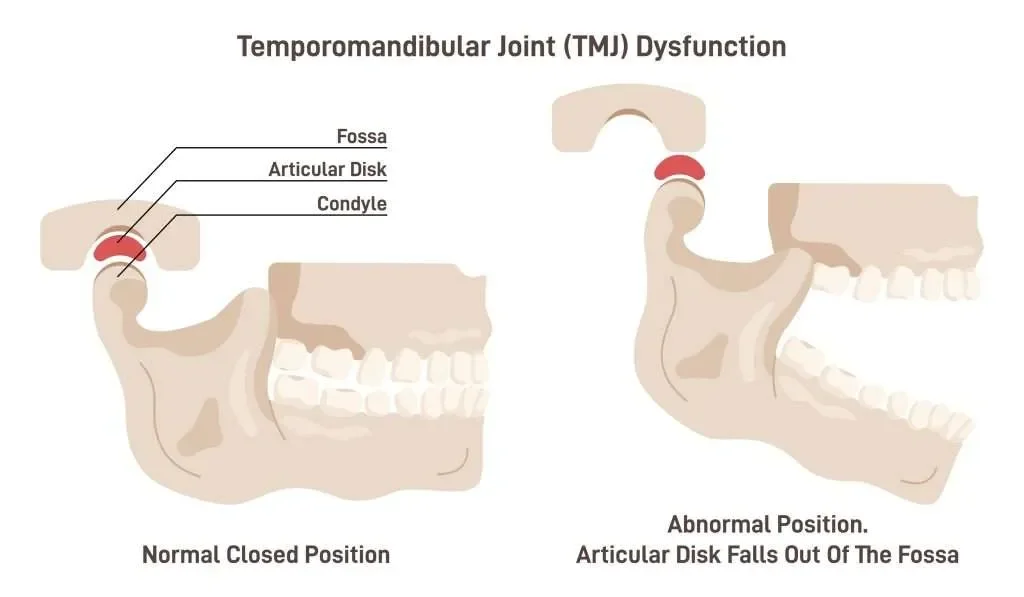
The temporomandibular joint (TMJ) connects your jawbone to your skull, sitting just in front of your ears. It’s one of the most frequently used joints in the body — involved in talking, chewing, yawning, and facial expression.
TMJ dysfunction (often called TMD) can occur due to:
Jaw clenching or teeth grinding (bruxism)
Stress and tension
Poor posture (especially forward head posture)
Trauma or whiplash injuries
Dental or bite changes
Arthritis
When the joint or surrounding muscles become irritated or imbalanced, you may experience:
Jaw pain or tenderness
Clicking, popping, or grinding sounds
Limited mouth opening
Jaw locking
Headaches or migraines
Ear pain or fullness
Neck and upper shoulder tension
How Physiotherapy Helps TMJ Dysfunction
Many people are surprised to learn that physiotherapy is highly effective for TMJ pain relief and jaw mobility. Because the jaw, neck, and upper spine are closely connected, addressing the entire system is key.
At Thrive Physio, our TMJ treatment approach may include:
1. Hands-On Manual Therapy
Gentle manual therapy techniques can help:
Reduce muscle tightness in the jaw, face, and neck
Improve joint mobility
Decrease inflammation and pain
Release trigger points contributing to headaches
This often includes treatment of the jaw joint itself as well as the neck and upper back.
2. Targeted Jaw Mobility Exercises
Specific exercises can:
Improve controlled mouth opening
Reduce clicking and locking
Restore symmetrical jaw movement
Improve muscular coordination
We guide you through progressive exercises to build stability without aggravating symptoms.
3. Postural Correction & Upper Neck Treatment
Forward head posture and rounded shoulders increase strain on the TMJ. By improving neck alignment and strengthening postural muscles, we reduce stress on the jaw joint.
Many TMJ cases improve significantly once neck mobility and strength are addressed.
4. Education on Clenching & Habit Awareness
Daytime jaw clenching is incredibly common — especially during stress or screen work.
We teach practical strategies to:
Reduce unconscious clenching
Relax the tongue and jaw
Modify aggravating habits
Improve ergonomic setup
Small changes can make a big difference.
5. Breathing & Stress Management Strategies
Stress plays a major role in TMJ pain. Breathing techniques and relaxation strategies can reduce muscle tension and flare-ups.
We take a whole-person approach — not just treating the joint, but addressing contributing factors.
When Should You See a Physio for TMJ Pain?
You should consider booking an assessment if you:
Have jaw pain lasting more than a few days
Notice reduced mouth opening
Experience frequent jaw clicking with discomfort
Get headaches linked to jaw tension
Have neck pain alongside jaw symptoms
Early treatment can prevent chronic issues and long-term joint irritation.
What to Expect at Thrive Physio
Your TMJ assessment includes:
A detailed history of symptoms
Jaw movement testing
Neck and posture assessment
Muscle tension evaluation
A clear, personalized treatment plan
Our goal is simple: reduce pain, restore jaw mobility, and give you the tools to stay symptom-free long term.
You Don’t Have to Live with Jaw Pain
TMJ dysfunction can affect your sleep, eating, work performance, and overall wellbeing — but it is treatable.
With the right physiotherapy approach, most people experience significant improvement in pain and jaw mobility.
If you’re struggling with TMJ symptoms, Thrive Physio is here to help.
Book your TMJ physiotherapy assessment today and start moving, eating, and living comfortably again.