

TMJ Physiotherapy (Jaw Pain Treatment)
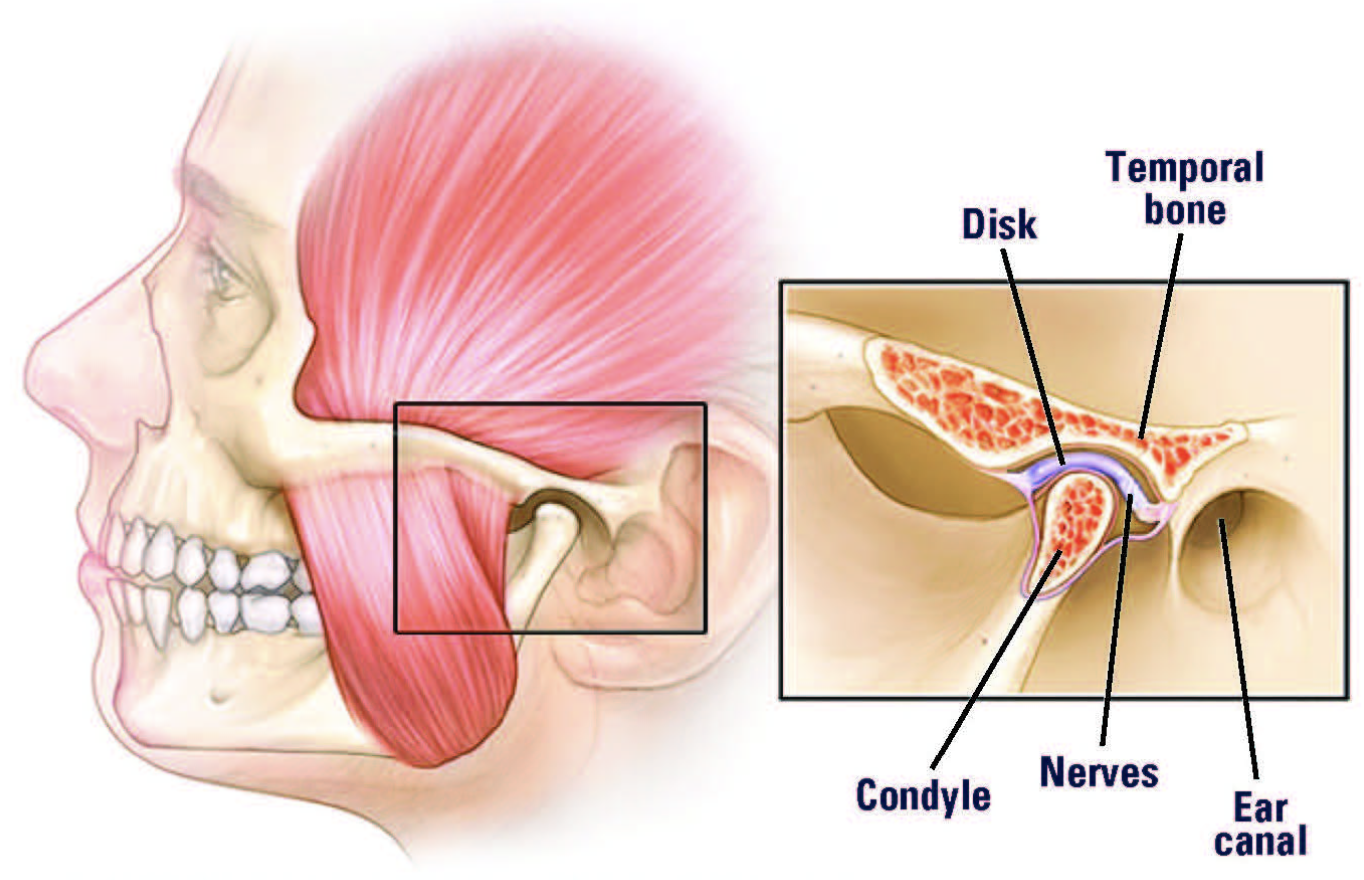
What is TMJ?
The temporomandibular joint (TMJ) connects your jaw to your skull, just in front of your ears. It’s responsible for everyday movements like:
Talking
Chewing
Yawning
When this joint or the surrounding muscles aren’t working
properly, it can lead to jaw pain and dysfunction, often referred to as TMJ disorder (TMD).
Common TMJ Symptoms
TMJ issues can present in a variety of ways, including:
Jaw pain or tenderness
Clicking, popping, or grinding sounds
Pain when chewing or opening the mouth
Locking of the jaw (open or closed)
Headaches (often around the temples)
Ear pain or a feeling of fullness
Neck and upper shoulder tension
Many people are surprised to learn that headaches and neck pain can be linked to jaw dysfunction.
Types of TMJ Problems
TMJ disorders are usually grouped into a few key categories:
1. Muscle-Related (Myofascial Pain)
The most common type
Involves tight, overactive jaw muscles
Often linked with clenching or grinding (bruxism)
2. Joint-Related (Disc Issues)
The TMJ contains a small disc that helps the joint move smoothly
This disc can become displaced, leading to:
Clicking or popping
Locking or catching
3. Degenerative Changes
Wear and tear within the joint (similar to arthritis)
Can cause stiffness, pain, and reduced movement
4. Acute Injury or Trauma
Direct impact to the jaw
Dental procedures requiring prolonged mouth opening
Sudden overload (e.g. biting something hard)
What Causes TMJ Pain?
TMJ problems are often multifactorial, meaning there’s usually more than one contributing factor:
Teeth grinding or clenching
Stress and tension
Poor posture (especially forward head posture)
Neck dysfunction
Previous jaw or dental trauma
Sleep issues
How Can Physiotherapy Help?
Physiotherapy plays a key role in managing TMJ disorders by addressing both the jaw and contributing factors.
Assessment
Your physiotherapist will assess:
Jaw movement and range
Muscle tension and tenderness
Joint function (including clicking or locking)
Neck and upper back posture
Contributing habits (e.g. clenching, posture, work setup)
Treatment May Include:
Hands-on therapy
Gentle joint mobilisation
Soft tissue release of jaw, face, and neck muscles
Exercise prescription
Jaw control and coordination exercises
Postural strengthening
Neck mobility work
Education and habit modification
Reducing clenching and grinding
Advice on chewing habits and diet
Sleep and stress strategies
Load management
Temporary modification of aggravating activities
Guidance on returning to normal function
What Results Can You Expect?
With the right treatment, most people experience:
Reduced pain and tension
Improved jaw movement
Less clicking or locking
Fewer headaches
Better awareness and control of jaw habits
When Should You Seek Treatment?
You may benefit from physiotherapy if you have:
Ongoing jaw pain or stiffness
Clicking or locking that concerns you
Difficulty eating or opening your mouth
Headaches linked to jaw or neck tension
Symptoms that aren’t improving on their own
Book an Appointment
If you’re experiencing jaw pain or TMJ symptoms, physiotherapy can help you get back to comfortable, normal movement.
Early treatment often leads to faster recovery and better outcomes.