
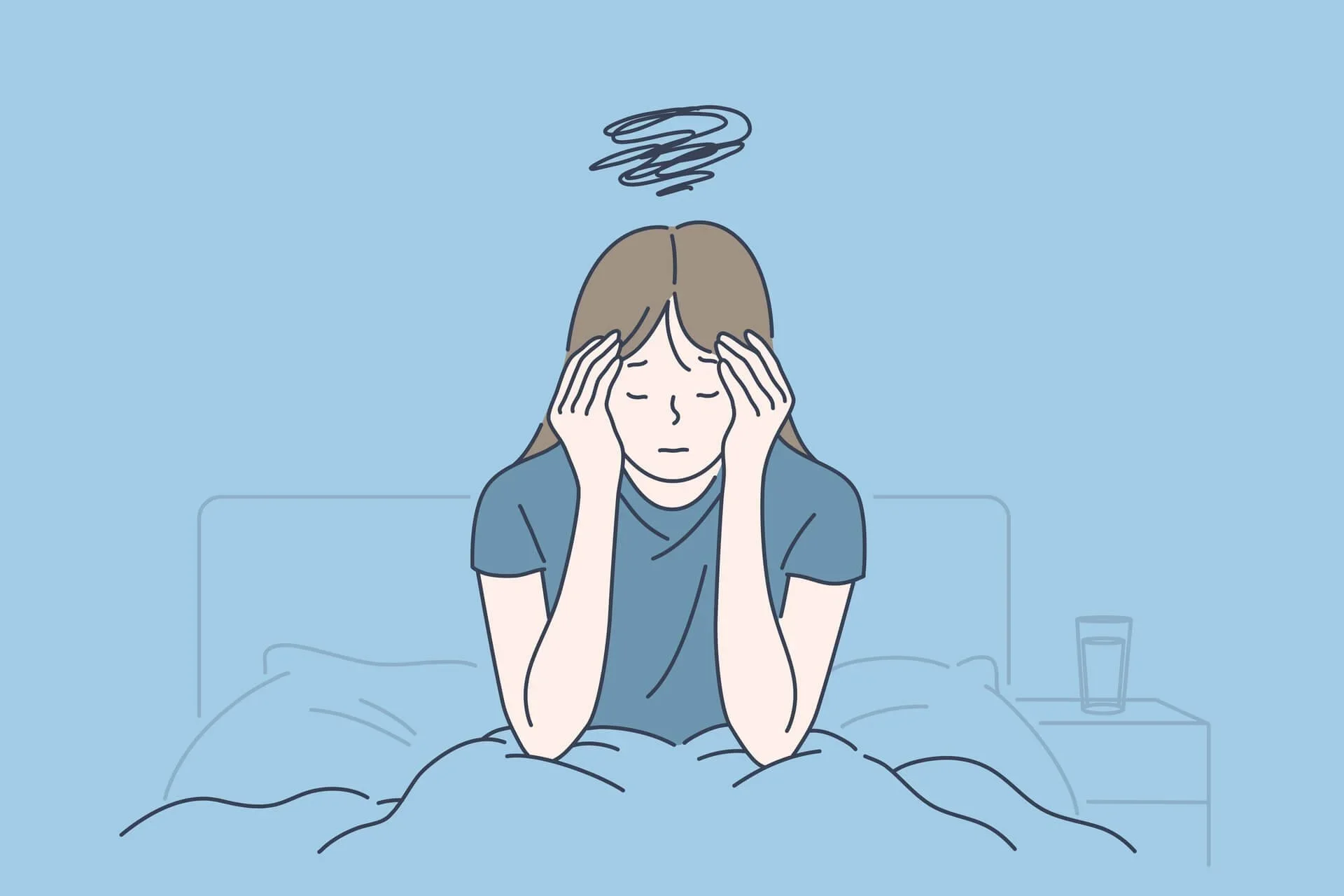
Living with chronic fatigue can feel frustrating, isolating, and at times overwhelming. Simple daily activities — walking the dog, grocery shopping, working at a desk, even socialising — can suddenly feel exhausting.
At Thrive Physio, we often see people who feel stuck between wanting to move more and fearing that activity will make their symptoms worse. The good news? With the right physiotherapy approach, movement can become part of your recovery — not a setback.
Let’s explore how physiotherapy can help restore function when you’re living with chronic fatigue.
What Is Chronic Fatigue?
Chronic fatigue is more than just “being tired.” It’s a persistent, overwhelming exhaustion that doesn’t improve with rest and may worsen after physical or mental activity.
Common symptoms include:
Ongoing low energy
Brain fog or difficulty concentrating
Muscle aches and joint pain
Poor sleep quality
Post-exertional symptom flare-ups
Whether fatigue is linked to post-viral recovery, burnout, long-term stress, or chronic health conditions, it can significantly reduce quality of life.
The Movement Paradox: Why Rest Alone Isn’t the Answer
When you’re exhausted, resting feels logical — and short-term rest can absolutely be necessary.
But over time, too much inactivity can lead to:
Deconditioning (loss of strength and stamina)
Reduced cardiovascular fitness
Increased stiffness and pain
Lower tolerance to everyday tasks
This creates a cycle: fatigue leads to inactivity, which reduces capacity, making activity feel even harder.
Physiotherapy focuses on gently and safely breaking that cycle.
How Physiotherapy Helps with Chronic Fatigue
1. Graded Activity & Pacing Strategies
One of the most effective approaches is structured, graded movement.
Instead of pushing through exhaustion or avoiding activity altogether, we:
Establish a baseline of what you can tolerate
Introduce small, manageable increases
Monitor symptom response
Avoid boom-and-bust cycles
This helps rebuild your body’s tolerance without triggering significant flare-ups.
2. Energy Management Education
Many people with chronic fatigue unintentionally overdo things on “good days” and then crash afterwards.
We guide patients through:
Pacing daily tasks
Breaking activities into smaller blocks
Alternating physical and mental demands
Planning recovery periods strategically
Energy management is just as important as exercise itself.
3. Gentle Strength & Conditioning
Muscle weakness and reduced endurance are common with prolonged fatigue.
A physiotherapy-led program may include:
Low-load strength exercises
Controlled breathing techniques
Light resistance training
Gradual aerobic conditioning
The key is consistency — not intensity.
Even small improvements in strength can make everyday tasks feel easier and less draining.
4. Nervous System Regulation
Chronic fatigue is often linked to nervous system dysregulation, where the body stays in a prolonged stress state.
Physiotherapy may incorporate:
Diaphragmatic breathing
Relaxation-based mobility work
Gentle movement flows
Postural retraining
Supporting nervous system balance can improve both energy levels and recovery.
5. Pain Management Support
Many people with chronic fatigue also experience muscle or joint pain.
Movement-based treatment can help:
Reduce stiffness
Improve circulation
Increase joint mobility
Decrease pain sensitivity over time
Avoiding movement completely often worsens discomfort.
Is Exercise Safe with Chronic Fatigue?
This is one of the most common questions we hear.
The answer is yes — when it’s appropriately prescribed and closely monitored.
High-intensity or poorly structured exercise can worsen symptoms. But carefully graded physiotherapy programs are designed to:
Respect your limits
Avoid flare-ups
Build resilience gradually
Improve long-term function
The goal is progress without setbacks.
When Should You Seek Physiotherapy?
You may benefit from physiotherapy support if:
Fatigue has lasted longer than three months
Everyday tasks feel increasingly difficult
You avoid activity due to fear of worsening symptoms
You experience repeated crashes after activity
Pain and stiffness are compounding your fatigue
Early guidance can prevent long-term deconditioning.
Restoring Confidence in Movement
Perhaps one of the most important parts of physiotherapy is restoring trust in your body.
Chronic fatigue can make you feel fragile or unpredictable. A structured, personalised movement plan helps rebuild confidence step by step.
At Thrive Physio, we take a supportive, patient-centred approach. There’s no pushing through pain, no unrealistic expectations — just gradual progress tailored to your capacity.
You Don’t Have to Navigate Fatigue Alone
Chronic fatigue can be complex, but recovery is possible. With education, pacing strategies, and carefully guided movement, many people regain strength, function, and confidence over time.
If fatigue is limiting your life, Thrive Physio is here to help you move safely, rebuild resilience, and restore function — at a pace that works for you.