
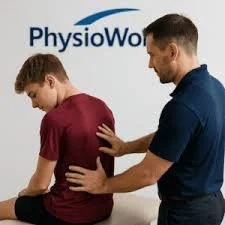
Fast bowling is one of the most physically demanding actions in sport. The speed, force, rotation, and repetition place enormous stress on the lower back. It’s no surprise that lower back pain is one of the most common injuries we see in fast bowlers at Thrive Physio.
If you’re a pace bowler dealing with back stiffness, sharp pain after spells, or recurring soreness during the season, you’re not alone — and you’re not broken. With the right physiotherapy approach, most bowlers can recover, build resilience, and return stronger.
Let’s break down why lower back pain happens in fast bowlers — and how to manage it properly.
Why Fast Bowlers Are Prone to Lower Back Pain
The fast bowling action combines:
High-speed trunk rotation
Lumbar extension (arching backward)
Side bending
Repetitive ground reaction forces
Heavy training loads
Each delivery places significant compression and shear forces through the lumbar spine. Multiply that by overs in training and matches, and the lower back can quickly become overloaded.
Young bowlers are particularly at risk during growth spurts when bones are still developing.
Common Causes of Lower Back Pain in Fast Bowlers
1. Lumbar Stress Reactions & Stress Fractures
These are among the most serious back injuries in pace bowlers.
They often present as:
Pain on one side of the lower back
Pain worsening with extension (leaning backward)
Discomfort during or after bowling spells
Stiffness the next morning
Early diagnosis and proper load management are essential to prevent progression.
2. Facet Joint Irritation
The small joints in the spine can become compressed with repeated extension and rotation.
Symptoms may include:
Sharp pain when leaning back
Localised stiffness
Pain that eases with rest
This is common in bowlers who have a mixed or hyperextended action.
3. Disc-Related Pain
Although less common in younger athletes, disc irritation can occur due to repetitive loading.
Signs may include:
Central lower back pain
Pain spreading into the glutes
Increased pain with prolonged sitting
Not all disc pain is serious — but it needs structured management.
4. Muscle Overload & Imbalances
Sometimes the issue isn’t structural damage — it’s fatigue and poor load tolerance.
Weakness in the:
Glutes
Core stabilisers
Hip muscles
can force the lower back to work overtime.
A Physio Approach to Managing Lower Back Pain
At Thrive Physio, we don’t just treat the pain — we identify why it’s happening.
Here’s how we typically approach it:
1. Accurate Assessment
We assess:
Bowling workload
Technique patterns
Strength and mobility deficits
Growth history (for juniors)
Red flag symptoms
Understanding the root cause guides the right treatment plan.
2. Smart Load Management
One of the biggest mistakes bowlers make is either pushing through pain or resting completely for too long.
Effective management involves:
Temporarily reducing bowling volume
Gradual return-to-bowl programs
Monitoring pain response within 24 hours
Avoiding sudden workload spikes
Load tolerance must be rebuilt progressively.
3. Targeted Strength & Conditioning
A strong, resilient body protects the spine.
We focus on:
Deep core control (not just planks)
Glute strength for force transfer
Hip mobility
Thoracic (mid-back) rotation mobility
Posterior chain strength
Strong hips and glutes reduce strain on the lumbar spine during delivery.
4. Technique Collaboration
In some cases, bowling mechanics contribute to overload — particularly excessive lumbar extension or mixed actions.
We may work alongside coaches to ensure:
Efficient energy transfer
Reduced spinal stress
Better alignment through the crease
Small technical changes can significantly reduce re-injury risk.
5. Early Intervention Is Key
The earlier lower back pain is assessed, the better the outcome.
Seek physiotherapy if:
Pain lasts more than a week
Pain worsens with bowling
There’s pain when leaning backward
You feel one-sided lower back discomfort
Ignoring symptoms increases the risk of stress fractures and long-term time away from the game.
Can Fast Bowlers Prevent Lower Back Pain?
While fast bowling will always place stress on the spine, risk can be reduced by:
Following age-appropriate workload guidelines
Maintaining strong hips and core
Prioritising recovery
Monitoring pain instead of ignoring it
Avoiding year-round bowling without breaks
Resilience is built — not hoped for.
Back Pain Doesn’t Have to End Your Season
Lower back pain in fast bowlers can feel worrying — especially with the fear of stress fractures. But with early diagnosis, structured rehab, and smart workload progression, most bowlers return to full performance safely.
At Thrive Physio, we help fast bowlers recover, rebuild strength, and return to the crease with confidence. If your back is limiting your pace, accuracy, or enjoyment of the game, we’re here to guide you every step of the way.