

Trochanteric Bursitis Physiotherapy Erina & Central Coast
A sharper, more localised pain over the outside of your hip — sometimes following a fall or a direct knock, sometimes flaring after unusually long periods lying on that side — often points to trochanteric bursitis. It's closely related to gluteal tendinopathy and the two frequently overlap, but they're distinct enough that identifying which is the dominant driver of your pain genuinely changes the early stages of your treatment.
What Is Trochanteric Bursitis?
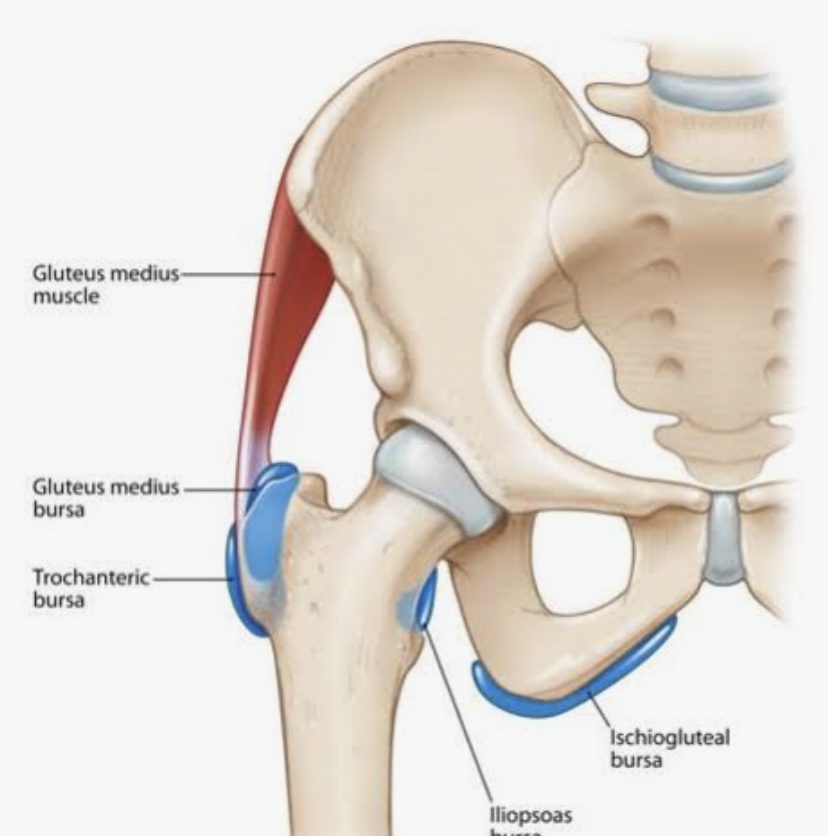
The trochanteric bursa is a small, fluid-filled sac that sits between the gluteal tendons and the bony point on the outside of your hip, helping reduce friction as the tendons glide over the bone with each step. When this bursa becomes inflamed, it can produce pain that's often more acute and localised than the gradual, activity-related ache typical of tendon overload alone.
Isolated bursitis without any tendon involvement is actually less common than the diagnosis used to suggest — in most people with ongoing lateral hip pain, some degree of gluteal tendinopathy is present alongside the bursal irritation, and the two conditions often feed into one another. That said, bursitis can also occur more independently, particularly after direct trauma to the area.
What Causes It?
The most common causes we see are a direct fall or knock onto the side of the hip, prolonged or repeated pressure from lying on that side, and irritation secondary to an underlying gluteal tendon problem that hasn't been addressed. Occupations or habits involving a lot of side-lying or direct pressure on the hip — certain sleeping positions, some manual trades, or activities like horse riding — can also contribute.
Common Symptoms
A sharper, more localised pain over the bony point of the hip
Pain and tenderness that can follow a specific fall or knock
Discomfort lying directly on the affected side, often worse than with tendinopathy alone
Occasional mild swelling or warmth over the area
Pain with direct pressure, such as a seatbelt or firm mattress against the hip
How We Diagnose It
Assessment includes palpation directly over the bursa, alongside the same tendon-loading tests used to check for gluteal tendinopathy, since distinguishing between — or identifying overlap between — the two conditions is central to getting your treatment plan right from the start. We'll also ask about any recent falls, knocks, or changes in sleeping habits that might explain a more sudden onset. Imaging is occasionally used for cases that aren't settling as expected, or to rule out other causes of localised swelling.
How Physiotherapy Helps
In the acute, more inflamed stage, treatment focuses on reducing direct pressure and irritation to the bursa — practical advice on sleeping positions, activity modification, and sometimes hands-on treatment or advice around icing to help settle things down. This early stage is often more about calming inflammation than aggressive loading, which is one of the key differences in approach compared to pure tendinopathy.
Once the acute irritability has settled, treatment shifts toward the same progressive gluteal strengthening program used for tendinopathy, since building genuine strength and control through the hip is what protects the area from repeat flare-ups regardless of whether the bursa or the tendon was the primary driver. For persistent or recurrent cases, we'll also discuss further options with your GP, including whether a cortisone injection into the bursa is a reasonable option alongside your rehab program.
Self-Care While You Wait For Your Appointment
Avoid lying directly on the affected hip, using a pillow between your knees for support if you sleep on your side, or trying your other side or your back if that's more comfortable. Ice can help settle a more acute, inflamed flare-up, and it's worth minimising direct pressure on the area — firm seating, tight waistbands, or activities involving kneeling on that side — until things have calmed down.
Frequently Asked Questions
Is trochanteric bursitis the same as gluteal tendinopathy?
They're closely related but not identical. Bursitis involves inflammation of the fluid-filled sac near the tendon, while tendinopathy is an overload injury to the tendon itself. The two very commonly occur together, which is why we assess for both.
Should I ice or heat trochanteric bursitis?
Ice is generally more helpful during an acute, inflamed flare-up, while heat can be more useful later for general muscle tension. We'll give you specific guidance based on how your hip is presenting.
Will a cortisone injection fix trochanteric bursitis?
An injection can be a genuinely useful option for settling significant inflammation, particularly in more acute or stubborn cases, but it works best when combined with a structured strengthening program rather than used as a standalone fix.
Why does my hip hurt more after a long car trip or flight?
Prolonged sitting, particularly in a firm seat, places sustained pressure on the bursa and surrounding tendon, which can bring on or worsen symptoms after extended periods of travel.
Book a Hip Assessment in Erina
If trochanteric bursitis is getting in the way of walking, sport or everyday life, the sooner it's properly assessed, the sooner we can get you moving with confidence again. Our Erina team will give you a clear diagnosis, an honest treatment plan, and a realistic timeframe — no guesswork, no generic exercise sheets.
Call Thrive Physiotherapy or book online today to get started.
Not sure if this is what's causing your hip pain? Visit our Hip Physiotherapy hub page to see the full range of hip conditions we treat.