

Patellofemoral Pain Syndrome Physiotherapy — Erina & Central Coast
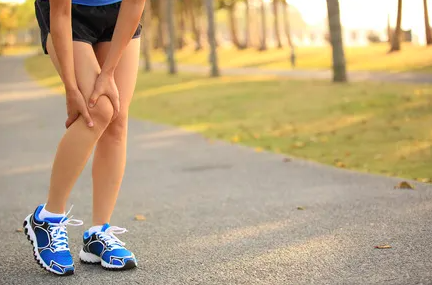
Also known as Runners Knee, pain behind the kneecap is commonly called patellofemoral pain syndrome. It can also be seen in everyone from the young adolescents during growth spurts to elderly people. You may be noticing your knee occasionally give away due to pay, or starting to hear some clicking and popping. You might start avoiding stairs due to the fear of aggravating your knees.
The cause of pain is due to the knee cap being misaligned and not sliding smoothly against your femur. Repeated mal-tracking causes pain, stiffness, and ultimately can cause damage to your kneecap joint surface.
Causes of Patellofemoral pain Syndrome
Overuse – increased activity or increased duration and intensity of the activity
Changes in footwear or playing surfaces
Tight outer thigh muscles and weaker inner thigh muscles causing the kneecap to be pulled to one side
A twisting injury
Surgery
Excess weight
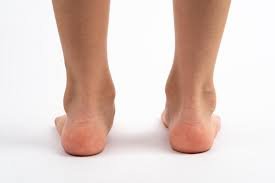
Flat feet and lack of arch support
Weak hip control muscles
How Physiotherapy Helps
Treatment centres on a progressive strengthening program targeting the quads, hips, and glutes, since improving strength and control through these areas is one of the most well-supported ways to reduce patellofemoral pain. In the early, more irritable stage, we'll also help you modify aggravating activities — reducing stair or hill volume temporarily, adjusting squat depth, or modifying running distance.
As things settle, we progressively rebuild your tolerance to the activities that matter to you, whether that's running, sport, or simply managing stairs and daily life comfortably. Most people see a meaningful reduction in pain within six to twelve weeks with a consistent program.

Frequently Asked Questions
Can I keep running with patellofemoral pain?
Often yes, with some modification to volume, surface, or incline. We'll help you find a sustainable way to keep training while your knee rebuilds capacity.
Do I need a knee brace or taping?
These can provide some short-term symptom relief for certain people, but they're not a substitute for addressing the underlying strength and control issues driving the pain.
Will this affect me long-term?
Most people recover very well with an appropriate strengthening program. Without addressing the underlying contributing factors, it can become a recurring issue, particularly with increases in activity.
Book a Knee Assessment in Erina
If patellofemoral pain is getting in the way of training, work or everyday life, the sooner it's properly assessed, the sooner we can get you moving with confidence again. Our Erina team will give you a clear diagnosis, an honest treatment plan, and a realistic timeframe — no guesswork, no generic exercise sheets.
Call Thrive Physiotherapy or book online today to get started.
Not sure if this is what's causing your knee pain? Visit our Knee Physiotherapy hub page to see the full range of knee conditions we treat.