

Meniscus Tear Physiotherapy — Erina & Central Coast
Pain along the joint line, sometimes with catching, locking, or a sense that the knee isn't quite trustworthy under load, often points to a meniscus tear. Whether it happened during a twisting sports injury or developed gradually without any clear incident, the right management approach makes a genuine difference to how well your knee recovers.
What Is a Meniscus Tear?
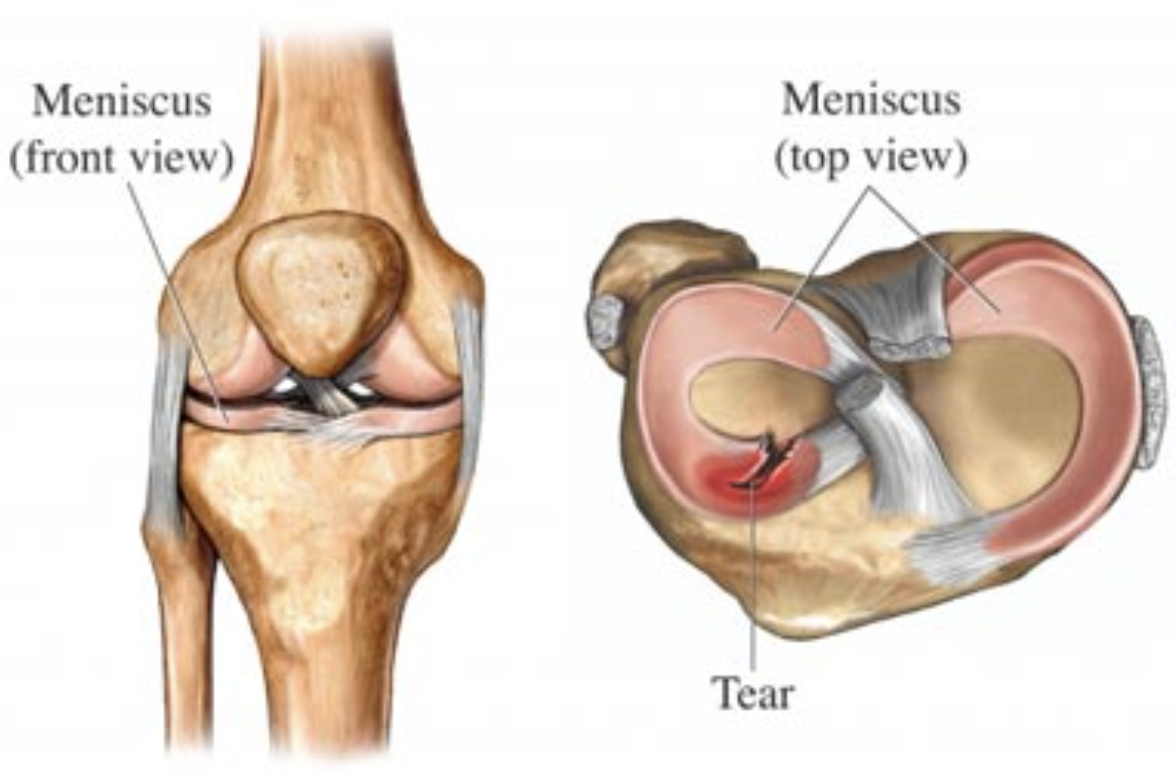
The menisci are two C-shaped pieces of cartilage that sit between your femur and tibia, acting as shock absorbers and helping distribute load evenly across the knee joint. Tears can occur traumatically, typically from a twisting injury during sport, or degeneratively, from gradual wear over time — which is actually the more common presentation in patients over 40, sometimes occurring with a seemingly minor movement like standing up from a squat.
The location and pattern of the tear matters a great deal for both prognosis and treatment decisions. Tears toward the outer edge of the meniscus, where blood supply is better, have more potential to heal or respond well to repair, while tears toward the inner portion behave differently and are generally managed without attempting repair.
What Causes It?
Traumatic tears commonly occur during sports involving twisting or pivoting while the foot is planted, particularly in football, netball, and skiing. Degenerative tears relate to age-related changes in the meniscus tissue itself, which becomes less resilient over time, making it more prone to tearing even with relatively low-force movements.
Common Symptoms
Pain along the inner or outer joint line
Catching or locking sensations with certain movements
Swelling that may develop gradually rather than immediately
A feeling that the knee might give way
Difficulty fully straightening or bending the knee
How We Diagnose It
Assessment includes specific tests that compress and rotate the knee to reproduce joint line pain, along with an evaluation of your knee's range of movement and any locking or catching present. Imaging, typically an MRI, can help confirm the diagnosis and characterise the tear, though it's worth knowing that meniscus tears are also very common on imaging in people with no symptoms at all, particularly with age, so we always interpret imaging findings alongside your actual clinical presentation.
How Physiotherapy Helps
Many meniscus tears, particularly smaller or degenerative tears without mechanical locking, respond well to a structured physiotherapy program focused on restoring strength and movement without surgery. Treatment centres on progressively rebuilding quad and hip strength, addressing any movement patterns contributing to ongoing joint irritation, and gradually returning to normal activity.
For tears with significant mechanical symptoms like true locking, or for younger patients with a specific tear pattern more amenable to surgical repair, we'll discuss a specialist opinion regarding surgical options. Physiotherapy remains a central part of your recovery either way, both in preparing for surgery if that's the chosen path, and in the structured rehabilitation that follows.
Self-Care While You Wait For Your Appointment
Avoiding deep squatting, twisting movements, and activities that provoke catching or locking will help manage symptoms in the short term. Gentle movement within a comfortable range is generally fine. If your knee becomes genuinely locked and won't straighten, seek prompt medical assessment rather than waiting.
Frequently Asked Questions
Do all meniscus tears need surgery?
No, many tears, particularly smaller or degenerative ones, respond well to physiotherapy alone. Surgery is generally considered for tears causing significant mechanical locking or for specific tear patterns in younger patients that are well suited to surgical repair.
Can I keep exercising with a meniscus tear?
Often yes, with some modification to avoid deep squatting and twisting movements initially. We'll help you find a sensible way to stay active while your knee settles and strengthens.
Will a meniscus tear get worse over time?
Not necessarily. Many tears remain stable for years with appropriate management, and the presence of a tear on imaging doesn't automatically mean it will progress or require surgery.
Why does my knee catch or lock sometimes?
A displaced fragment of torn meniscus can occasionally get caught between the joint surfaces, producing a catching or locking sensation. True locking, where the knee genuinely won't straighten, is worth assessing promptly.
Book a Knee Assessment in Erina
If a meniscus tear is getting in the way of training, work or everyday life, the sooner it's properly assessed, the sooner we can get you moving with confidence again. Our Erina team will give you a clear diagnosis, an honest treatment plan, and a realistic timeframe — no guesswork, no generic exercise sheets.
Call Thrive Physiotherapy or book online today to get started.
Not sure if this is what's causing your knee pain? Visit our Knee Physiotherapy hub page to see the full range of knee conditions we treat.