
Why Your Knee Keeps Clicking: When It’s Harmless vs When It’s Not
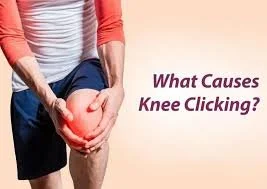
A clicking knee can be unsettling. Maybe you hear it going up stairs, squatting at the gym, or getting out of the car. For some people it’s painless. For others, it comes with discomfort, swelling, or a feeling that something just isn’t right.
At Thrive Physio, knee clicking is one of the most common concerns we hear — and the good news is that most knee clicking is completely harmless. The key is knowing when it’s nothing to worry about, and when it’s a sign that your knee needs attention.
Let’s break it down.
What Causes Knee Clicking?
The knee is a complex joint made up of bones, cartilage, ligaments, tendons, and fluid. When it moves, small sounds or sensations can occur — especially if you’re active.
Common reasons your knee might click include:
Tendons or ligaments moving over bony structures
Changes in joint pressure within the knee
Muscle tightness or weakness altering how the joint moves
Cartilage surfaces gliding under load
Not all clicking means damage. In fact, many perfectly healthy knees click.
When Knee Clicking Is Usually Harmless
In most cases, knee clicking is normal and not a cause for concern, especially if it meets the following criteria:
✔ No pain
If your knee clicks but doesn’t hurt during or after activity, it’s usually harmless.
✔ No swelling
A knee that looks and feels normal is less likely to have internal irritation.
✔ No locking or catching
Smooth movement, even with noise, is generally fine.
✔ Long-standing and unchanged
If your knee has clicked for years without worsening, it’s rarely a red flag.
This type of clicking is often related to movement patterns, muscle control, or normal joint mechanics, not injury.
When Knee Clicking Might Be a Problem
Clicking becomes more concerning when it’s paired with other symptoms.
You should get your knee assessed if the clicking is accompanied by:
❗ Pain
Especially sharp pain, pain with weight-bearing, or pain that’s worsening over time.
❗ Swelling or stiffness
This can indicate irritation inside the joint.
❗ Locking or giving way
If your knee feels stuck, catches, or feels unstable, that’s not normal.
❗ A recent injury
Twisting injuries, falls, or sudden changes in training can change what clicking means.
❗ Reduced function
Struggling with stairs, squats, running, or getting up from chairs is a sign something needs addressing.
In these cases, clicking may be linked to meniscus irritation, cartilage overload, joint inflammation, or altered load tolerance.
Does Clicking Mean Arthritis?
Not necessarily.
Knee clicking alone does not mean you have arthritis. Many people with noisy knees have no joint degeneration at all. Even in people with osteoarthritis, clicking isn’t always the source of pain.
Pain, stiffness, swelling, and reduced capacity matter far more than sound.
Why Active People Notice Clicking More
Runners, gym-goers, and active individuals tend to notice clicking more because:
Their knees move through larger ranges
They load the joint more frequently
Fatigue can change movement control
Sudden increases in training load stress tissues
In many cases, the knee isn’t “damaged” — it’s just being asked to do more than it’s currently prepared for.
Should You Stop Exercising If Your Knee Clicks?
In most cases: no.
Avoiding movement often makes knee issues worse. What matters is:
How much load your knee is handling
How well your muscles support the joint
How your symptoms respond after activity
Physiotherapy focuses on optimising movement, strength, and load management, not avoiding activity altogether.
How Physios Assess a Clicking Knee
At Thrive Physio, we don’t just listen for noise. We assess:
Strength and control of the hips, quads, and calves
How your knee tracks during movement
Your training or activity load
Symptom behaviour over time
Past injury history
Very often, addressing muscle imbalances, movement patterns, or training errors is enough to reduce symptoms — even if the clicking itself remains.
And that’s okay. A quiet knee isn’t the goal. A strong, pain-free knee is.
Key Takeaways
Knee clicking is common and often harmless
Pain, swelling, locking, or instability are the real warning signs
Clicking alone does not mean arthritis or damage
Staying active is usually better than resting completely
Physiotherapy can help determine whether clicking matters — and what to do about it
When to See a Physio
If your knee clicking is:
Painful
Getting worse
Limiting your activity
Following an injury
Stopping you from trusting your knee
…then it’s worth getting it checked.
At Thrive Physio, we help people understand what their knee is doing — and more importantly, how to keep it strong, confident, and moving well.