
Why Tight Hip Flexors Matter & How To Fix Them
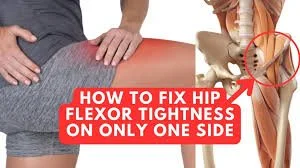
“Tight hip flexors” get blamed for a lot of things — back pain, poor posture, sore hips, even knee issues. And while they don’t deserve all the blame, tight or overloaded hip flexors are a very real and very common problem we see at Thrive Physio.
If you sit a lot, run, train hard, or feel stiff through the front of your hips, this one’s for you.
What Are the Hip Flexors (And Why Do They Matter)?
Your hip flexors are a group of muscles at the front of your hip that help lift your knee and bend your hip. The main players include:
Iliopsoas
Rectus femoris (part of the quadriceps)
Sartorius
They’re heavily involved in:
Walking and running
Sitting and standing
Squatting and lunging
Climbing stairs
Stabilising your pelvis and spine
Because they’re used constantly, hip flexors are prone to becoming stiff, overworked, or weak through range.
To help diagnose your hip pain, read our hip page here.
What Does “Tight” Actually Mean?
Here’s an important physiotherapy truth:
Most “tight” hip flexors aren’t just short — they’re overloaded and under-supported.
Hip flexors can feel tight because:
They’re doing too much work
They’re working in a shortened position for long periods (sitting)
Nearby muscles (glutes, deep core) aren’t contributing enough
Training load has increased too quickly
Stretching alone often doesn’t fix the problem — and sometimes makes it worse.
Signs Your Hip Flexors Might Be an Issue
You might notice:
Stiffness or pulling at the front of the hip
Discomfort when standing up after sitting
Lower back tightness after long days
Hip pain during running or walking uphill
Reduced stride length or hip extension
Pain during lunges or split squats
These symptoms don’t always mean injury — but they do mean your hips aren’t coping well with current demands.
Why Tight Hip Flexors Matter
When hip flexors can’t move or load properly, the body compensates.
Common flow-on effects we see in clinic include:
Increased lower back strain
Reduced glute activation
Anterior pelvic tilt and postural stress
Hip impingement-type symptoms
Knee pain due to altered mechanics
Reduced running efficiency
In other words, hip flexor issues rarely stay isolated.
Sitting, Running, and the Hip Flexor Double Whammy
Sitting keeps hip flexors in a shortened position for hours. Running then asks them to work repeatedly at high load.
This combo is one of the most common reasons active people feel chronically tight through the front of the hips.
The issue isn’t sitting or running — it’s not preparing the hip flexors to tolerate both.
How To Fix Tight Hip Flexors (What Actually Works)
At Thrive Physio, we take a balanced approach. Fixing hip flexor tightness usually involves three key steps.
1. Improve Hip Flexor Length (But Be Smart About Stretching)
Gentle stretching can help, especially if done with good technique.
Key tips:
Avoid aggressive, painful stretches
Keep your ribs stacked over your pelvis
Focus on slow, controlled breathing
Short, frequent stretches beat long forced holds
Stretching helps create access to range — but it’s only step one.
2. Strengthen the Hip Flexors Through Range
This is the missing piece for many people.
Hip flexors need to be strong in lengthened positions, not just flexible. Controlled strengthening helps them tolerate load without guarding or tightening up.
This is especially important for:
Runners
Gym-goers
Field sport athletes
People returning from hip or back pain
Strength builds confidence in the joint — not stiffness.
3. Address the Support System
Hip flexors don’t work alone.
Often we need to improve:
Glute strength and timing
Deep core control
Pelvic stability
Overall training or workload balance
When the system works better, hip flexors stop overworking.
Why Stretching Alone Often Fails
If stretching was enough, tight hip flexors wouldn’t be so common.
Without strength and load management:
Tightness keeps coming back
Pain returns with training
Performance stays limited
Frustration builds
Physiotherapy focuses on why the muscle feels tight, not just how to stretch it.
When to See a Physio
It’s worth getting help if:
Hip tightness is painful or worsening
Symptoms affect running, training, or daily life
Stretching hasn’t helped
You’ve had hip, groin, or lower back injuries
You feel “jammed” at the front of the hip
At Thrive Physio, we assess how your hips move, load, and recover — then build a plan that fits your body and your lifestyle.
Key Takeaways
Tight hip flexors are common, especially in active people
Tight doesn’t always mean short — often it means overloaded
Stretching alone isn’t enough
Strength, control, and load management matter
Addressing hip flexors can improve back, hip, and knee symptoms
How Thrive Physio Can Help
We help you move beyond temporary relief and build hips that:
Move well
Handle load
Support your training
Reduce recurring pain
If your hips feel constantly tight, restricted, or unreliable, a physiotherapy-led approach can make a real difference.