
Why Heel Pain Is So Common in Central Coast Walkers
Why do so many Central Coast locals get heel pain?
Heel pain is one of the most common complaints we see in our physiotherapy clinic on the Central Coast. With so many people walking on beaches, bush tracks and coastal paths, the feet are under regular load, often on challenging surfaces.
Walking is fantastic for health, but repetitive load can build up over time, especially through the plantar fascia.
What actually causes heel pain?
The plantar fascia is a thick band of tissue that runs along the bottom of the foot and helps support the arch. When this tissue becomes overloaded, irritated or weakened, pain develops around the heel or arch.
This is commonly known as plantar fasciitis, although the more accurate term is plantar fasciopathy.
Typical symptoms include:
morning heel pain
first-step pain
pain after walking
tenderness around the heel bone
Why the Central Coast lifestyle increases heel pain risk
Lots of walking on soft sand
Soft sand walking increases pronation forces and places more stress through the plantar fascia. Many people on the Central Coast regularly walk along beaches such as Terrigal, Wamberal, Avoca and Copacabana, making this a common trigger for foot pain Central Coast.
High daily step counts
People here tend to be active and outdoors, which means more cumulative loading on the feet. More walking equals more demand on the plantar fascia.
Hilly coastal terrain
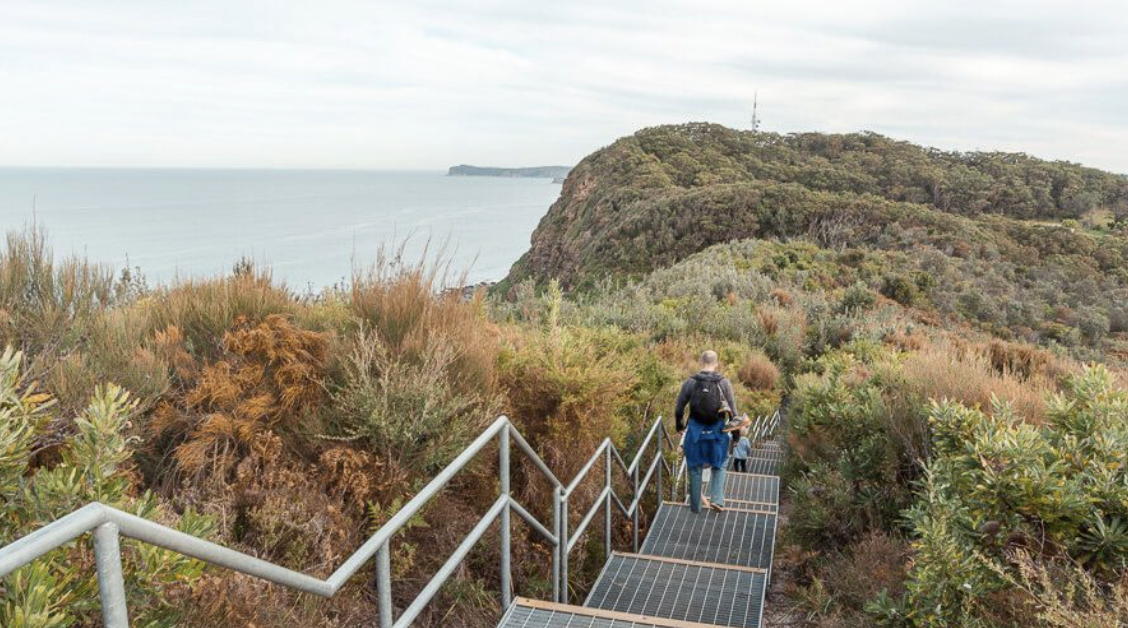
Many coastal and bush trails involve hills, which increase calf and plantar load. Areas like Forresters Beach, Avoca, Killcare and Bouddi National Park are great walking locations, but they also increase stress on the heel.
Barefoot lifestyle
Walking barefoot around the home or to and from the beach is common. While it feels natural, it often means less support during times of high plantar load.
Ageing population
The Central Coast has a higher proportion of older adults, and heel pain becomes more common with age due to reduced tissue capacity, reduced foot strength and calf tightness.
Is heel pain always plantar fasciitis?
Not always. Other causes include:
fat pad irritation
Achilles tendinopathy
nerve irritation
bursitis
stress reaction
A proper assessment from a Central Coast physio ensures the right diagnosis and treatment plan.
What actually helps?
The most effective approach usually includes a combination of:
Foot strengthening
Intrinsic foot muscle strength helps support the arch and reduce strain on the plantar fascia.
Calf strengthening
Calf strength significantly influences heel load and should be part of any heel pain treatment.
Footwear advice or orthotics
Supportive footwear or temporary orthotics can help reduce load during the painful stage.
Progressive loading
Gradually reintroducing load helps the tissue adapt and become more resilient, similar to tendon rehabilitation. Rest alone rarely leads to long-term improvement.
Should you stop walking?
Not usually. The goal is to manage load, not eliminate it. Sometimes this means temporarily reducing distance or frequency, choosing firmer surfaces, or using supportive shoes.
A simple rule of thumb
If heel pain is worse first thing in the morning and eases as you walk, it is very likely plantar fasciopathy.
When to see a physio
It’s worth booking an appointment with a Central Coast physiotherapist if:
symptoms have lasted more than 2–3 weeks
morning pain is worsening
walking distance is decreasing
you’re unsure of the cause
Early treatment usually leads to faster results and helps you keep active.