
Trigger Finger & Hand Pain: Physiotherapy Management Options
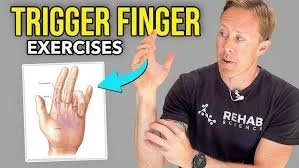
Hand pain can be incredibly frustrating—especially when something as simple as bending or straightening a finger becomes painful, stiff, or starts catching.
At Thrive Physio, we commonly see people with trigger finger, thumb pain, and other hand conditions that affect work, sport, and daily tasks. The good news is that many of these issues respond very well to physiotherapy management, particularly when treated early.
Let’s break down what trigger finger is, why it happens, and how physiotherapy can help.
What Is Trigger Finger?
Trigger finger (also called stenosing tenosynovitis) occurs when a finger or thumb gets stuck in a bent position and then suddenly releases—often with a click or “triggering” sensation.
Common symptoms include:
Finger or thumb catching or locking
Pain at the base of the finger or thumb
Morning stiffness
Tenderness or a small lump in the palm
Reduced grip strength
Trigger finger can affect one or multiple fingers and often worsens over time if left untreated.
Why Does Trigger Finger Develop?
Trigger finger occurs when the flexor tendon becomes irritated or thickened and can’t glide smoothly through its pulley system.
Common contributing factors include:
Repetitive gripping or hand use
Manual or repetitive work
Prolonged computer or mouse use
Sporting activities involving gripping
Diabetes or inflammatory conditions
Previous hand or wrist injury
It’s not just a “wear and tear” issue—load management and tendon health play a big role.
Can Physiotherapy Help Trigger Finger?
Yes—physiotherapy is often very effective, particularly in mild to moderate cases and in the early stages.
At Thrive Physio, treatment focuses on reducing irritation, improving tendon movement, and addressing contributing factors to prevent recurrence.
Physiotherapy Management Options for Trigger Finger
1. Load Modification and Activity Advice
One of the most important steps is reducing aggravating loads on the tendon.
This may include:
Temporary changes to work or hand-intensive tasks
Modifying gripping techniques
Reducing repetitive strain during flare-ups
Ergonomic advice for desk or manual work
Small changes can make a big difference.
2. Targeted Hand and Finger Exercises
Specific exercises help improve tendon glide and reduce stiffness without overloading the tissue.
These may include:
Tendon gliding exercises
Finger extension and flexion control
Grip strength exercises (progressed carefully)
Wrist and forearm strengthening where needed
Exercises are tailored to your symptoms and stage of healing.
3. Splinting or Taping (When Appropriate)
Short-term splinting or taping can:
Reduce tendon irritation
Limit painful finger positions
Allow inflamed tissue to settle
This is usually a temporary strategy, not a long-term solution.
4. Soft Tissue and Joint Techniques
Physiotherapists may use hands-on techniques to:
Improve tissue mobility
Reduce local stiffness
Address contributing wrist or forearm restrictions
These techniques support movement but are always combined with active rehab.
5. Education and Long-Term Prevention
Understanding why your trigger finger developed is key to preventing it from coming back.
Physio education often includes:
How to manage flare-ups early
Gradual return to gripping tasks
Strength progression without overload
Strategies for long-term hand health
What About Injections or Surgery?
In some cases, corticosteroid injections or surgery may be considered—especially if symptoms are severe or long-standing.
Physiotherapy is often used:
As a first-line treatment
Before considering injections
After injections or surgery to restore strength and function
Early physio input can reduce the need for more invasive options.
When Should You See a Physiotherapist?
You should seek physiotherapy if:
Your finger is locking or catching
Hand pain is affecting work or daily tasks
Symptoms persist longer than a few weeks
Grip strength is declining
Pain is getting worse, not better
The earlier trigger finger is addressed, the easier it is to treat.
How Thrive Physio Can Help
At Thrive Physio, we assess the entire upper limb—not just the painful finger.
Our approach includes:
Thorough hand, wrist, and forearm assessment
Individualised treatment plans
Exercise-based rehabilitation
Advice tailored to your work, sport, and lifestyle
Clear guidance on when referral may be needed
Our goal is to help you use your hands confidently again, without pain or restriction.
Get Your Hand Pain Sorted
Trigger finger and hand pain don’t have to become long-term problems. With the right physiotherapy management, many people can return to full function without injections or surgery.
If you’re dealing with finger locking, thumb pain, or ongoing hand discomfort, book an appointment with Thrive Physio and let’s get you moving comfortably again.