
Running with Shin Pain: When to Push Through & When to Stop
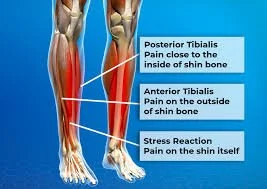
Shin pain is one of the most common complaints we see in runners at Thrive Physio.
It often starts as a dull ache after a run. Then it lingers. Then it creeps in earlier during your sessions. The big question runners ask is:
“Can I keep running through this… or do I need to stop?”
The answer depends on what’s causing your shin pain—and knowing the difference can prevent a minor irritation from turning into a long-term injury.
Why Do Runners Get Shin Pain?
“Shin pain from running” is a broad term. The most common causes include:
Medial tibial stress syndrome (shin splints)
Tibialis anterior or posterior tendon irritation
Calf overload
Bone stress reaction
Tibial stress fracture (more serious)
Shin pain usually develops due to training load exceeding tissue capacity. This might happen because of:
Rapid increases in mileage or intensity
Returning to running too quickly after time off
Harder running surfaces
Inadequate strength in the calves and lower limb
Poor recovery
The key is determining whether the tissue is irritated—or structurally overloaded.
When It’s Usually Safe to Keep Running
You may be able to continue running (with modifications) if:
Pain is mild (0–4/10)
It warms up as you run
It settles quickly after exercise
There’s no pinpoint tenderness on the bone
There’s no pain when hopping
This pattern often suggests early shin splints or muscular overload rather than a stress fracture.
In these cases, complete rest isn’t always necessary. Instead, we focus on:
Reducing total weekly load
Avoiding speed sessions temporarily
Adjusting running surface
Strengthening the calves and lower limb
Monitoring pain response over 24 hours
Pain should not progressively worsen during a run or linger significantly the next day.
When You Should Stop Running
Stop running and seek assessment if you notice:
Sharp or worsening pain during activity
Pain that persists after running or at rest
Night pain
Localised, pinpoint tenderness along the shin bone
Pain with hopping on one leg
Swelling in a specific area
These signs raise concern for a bone stress reaction or stress fracture, which requires proper management and often a temporary break from impact loading.
Pushing through bone-related pain can turn a manageable issue into a prolonged injury requiring months off running.
The 24-Hour Rule for Shin Pain
One simple guideline we use at Thrive Physio:
If your pain is worse 24 hours after a run, your load was too high.
Your body gives feedback. Listening early prevents setbacks later.
Why “Just Rest” Isn’t Always the Answer
Many runners either:
Ignore shin pain completely
Or stop running for weeks without a plan
Neither approach works well long term.
Shin pain improves best with:
Structured load modification
Progressive calf and lower limb strengthening
Gradual return-to-run programs
Addressing biomechanical and strength deficits
Complete rest without rehab often leads to recurrence when running resumes.
Strength Training: The Missing Piece
Strong tissues tolerate load better.
For runners with shin pain, we typically focus on:
Heavy calf raises (straight and bent knee)
Single-leg strength work
Foot intrinsic strengthening
Plyometric progressions (when appropriate)
Hip and glute strength
Research shows that improving calf strength and lower limb capacity reduces recurrence of shin splints and other running injuries.
Surface, Footwear & Technique: Do They Matter?
They can—but they’re rarely the sole cause.
We assess:
Sudden footwear changes
Transition to minimalist or carbon-plated shoes
Increase in downhill running
Hard surface exposure
Running cadence and load patterns
Small adjustments can reduce stress on the shin without dramatically altering your running style.
How Thrive Physio Helps Runners with Shin Pain
At Thrive Physio, we don’t just treat symptoms—we identify why the shin pain developed in the first place.
Our approach includes:
Thorough assessment to rule out stress fracture
Load management planning
Running-specific strength programs
Return-to-running guidance
Education so you know when to push and when to hold back
Our goal is to keep you running whenever safely possible—while protecting you from longer-term injury.
The Bottom Line
Not all shin pain means you must stop running.
But not all shin pain is safe to push through either.
The difference lies in:
Pain behaviour
Load history
Strength capacity
Early intervention
If you’re unsure whether your shin pain is something minor—or something more serious—getting assessed early can save weeks (or months) off running.
Book an appointment with Thrive Physio today and let’s keep you running strong and injury-resilient.