
Physio for Arthritis Pain: Movement Strategies That Reduce Pain
If you live with arthritis, you’ve probably been told to “take it easy” or avoid movement altogether. While rest can help during flare-ups, avoiding movement long term often makes arthritis pain worse, not better.
At Thrive Physio, one of the most common things we hear is:
“I’m scared that movement will damage my joints.”
The good news? With the right approach, movement is one of the most effective treatments for arthritis pain — and physiotherapy plays a key role in making it safe, sustainable, and effective.
Understanding Arthritis and Pain
Arthritis is not a single condition. The most common types we see in clinic include:
Osteoarthritis
Rheumatoid arthritis
Post-traumatic arthritis
While these conditions differ, pain is influenced by more than just joint wear and tear. Factors like muscle strength, joint stiffness, nervous system sensitivity, and confidence with movement all affect how much pain you feel.
This is why movement-based physiotherapy can significantly reduce symptoms — even when imaging shows joint changes.
Why Movement Helps Arthritis Pain
Research consistently shows that appropriate movement reduces arthritis pain by:
Improving joint lubrication and nutrition
Reducing stiffness and swelling
Strengthening muscles that support joints
Improving balance and confidence
Desensitising an overprotective nervous system
In other words, movement doesn’t “wear joints out” — it helps them work better.
Key Movement Strategies Used in Physiotherapy
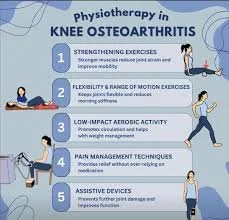
1. Joint-Friendly Strength Training
Weak muscles increase joint load. Strengthening the muscles around affected joints helps absorb forces and reduce pain during daily activities.
At Thrive Physio, we focus on:
Low-load, controlled strengthening
Pain-guided progression
Functional movements relevant to your lifestyle
For knees and hips, strengthening the glutes and quadriceps is often more important than the joint itself.
2. Range of Motion and Mobility Exercises
Arthritis often leads to stiffness, especially after rest. Gentle mobility exercises:
Improve joint range of motion
Reduce morning stiffness
Make everyday movements feel easier
These exercises should feel comfortable, not forced. Aggressive stretching can flare symptoms.
3. Graded Activity and Pacing
One of the biggest challenges with arthritis is the boom-and-bust cycle — doing too much on good days, then paying for it later.
Physiotherapy helps by:
Setting realistic activity baselines
Gradually increasing tolerance
Teaching pacing strategies to avoid flare-ups
Consistency matters more than intensity.
4. Low-Impact Aerobic Exercise
Cardiovascular exercise plays a major role in arthritis management by:
Reducing pain sensitivity
Improving joint health
Supporting weight management
Enhancing mood and energy levels
Great low-impact options include:
Walking
Cycling
Swimming
Elliptical training
The best exercise is one you’ll actually keep doing.
5. Movement Confidence and Pain Education
Pain doesn’t always mean damage — especially with arthritis.
At Thrive Physio, we help patients:
Understand the difference between hurt and harm
Build confidence with movement
Reduce fear-based avoidance
When people feel safer moving, pain levels often drop.
When Movement Needs to Be Modified
During flare-ups, movement should be adjusted, not abandoned.
A physiotherapist can help you:
Modify exercises temporarily
Reduce load without stopping activity
Recognise early signs of overdoing it
Complete rest usually leads to more stiffness and pain once activity resumes.
The Role of Physiotherapy in Long-Term Arthritis Management
Physiotherapy isn’t just about exercises — it’s about creating a long-term plan that fits your body and your life.
At Thrive Physio, arthritis care may include:
Individualised movement programs
Manual therapy to reduce stiffness
Education around pain and flare-ups
Progression planning as symptoms change
Support to stay active long term
The goal isn’t to “fix” arthritis — it’s to help you move better, hurt less, and stay independent.
Final Takeaway
Arthritis pain doesn’t mean you should stop moving. In fact, the right movement is one of the most powerful tools for reducing pain and improving function.
With guidance from a physiotherapist, movement becomes safer, more effective, and far less intimidating.
If arthritis pain is limiting your daily life, physiotherapy can help you take control — one movement at a time.