
Concussion Protocols in Community Cricket: What Players Should Know
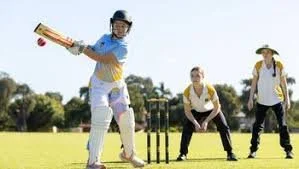
Concussion isn’t just a professional sport issue. In community cricket, head knocks from balls, accidental collisions, or falls in the field are more common than many players realise — and they’re often brushed off as “just getting your bell rung.”
At Thrive Physio, we regularly see cricketers returning to play too soon after a concussion, putting themselves at risk of prolonged symptoms or further injury. Understanding concussion protocols is one of the most important steps in protecting your long-term brain health.
Here’s what every community cricketer should know.
What Is a Concussion?
A concussion is a mild traumatic brain injury caused by a blow to the head or a force that causes the brain to move rapidly inside the skull. You don’t need to be knocked out to have a concussion — in fact, most concussions occur without loss of consciousness.
Common causes in cricket include:
Being struck by the ball (batting or fielding)
Collisions between players
Falls while diving or running
Helmet-to-ground or helmet-to-player contact
Common Signs and Symptoms of Concussion
Symptoms can appear immediately or over the following hours and days. They often fall into four main categories:
Physical Symptoms
Headache or pressure in the head
Dizziness or balance problems
Nausea
Sensitivity to light or noise
Cognitive Symptoms
Feeling “foggy” or slowed down
Difficulty concentrating
Memory problems
Emotional Symptoms
Irritability
Anxiety
Low mood
Sleep-Related Symptoms
Trouble falling or staying asleep
Sleeping more than usual
If any of these symptoms appear after a head knock, concussion must be suspected.
The Golden Rule: If in Doubt, Sit It Out
One of the most important concussion principles in community sport is simple:
If a concussion is suspected, the player must be removed from play immediately.
They should not:
Return to bat or field that day
“See how they feel after a few overs”
Be pressured by teammates or match circumstances
Symptoms can worsen with continued play, and a second head injury before full recovery can have serious consequences.
Concussion Protocols in Community Cricket
While professional cricket has strict medical oversight, community cricket relies heavily on player honesty and education.
General concussion management guidelines include:
Immediate removal from play
Medical assessment by a qualified health professional
Physical and cognitive rest in the early stages
Gradual return to activity
Graduated return-to-play protocol
A same-day return to play after a concussion is not recommended at any level of cricket.
The Graduated Return-to-Play Process
Returning too quickly is one of the biggest mistakes we see at Thrive Physio. A safe return follows a stepwise progression, with at least 24 hours between stages and no return of symptoms.
A typical progression includes:
Symptom-limited daily activities
Light aerobic exercise (e.g. walking or stationary cycling)
Cricket-specific drills (no head impact)
Non-contact training
Full training
Return to match play
If symptoms return at any stage, the player should drop back to the previous step.
Why Early Management Matters
Poorly managed concussions can lead to:
Prolonged symptoms lasting weeks or months
Reduced reaction time and coordination
Increased risk of further concussion
Difficulty with work, school, and daily life
Proper management isn’t about being overly cautious — it’s about ensuring a full and lasting recovery.
The Role of Physiotherapy in Concussion Recovery
Many people don’t realise that physiotherapists play a key role in concussion management.
At Thrive Physio, concussion care may include:
Thorough symptom and movement assessment
Vestibular (balance and dizziness) rehabilitation
Neck assessment and treatment
Graduated exercise programming
Guidance through return-to-play protocols
Concussion symptoms don’t always come solely from the brain — the neck and balance systems are often involved, especially in cricket-related impacts.
Advice for Players, Parents, and Coaches
Take head knocks seriously, even if symptoms seem mild
Encourage honest symptom reporting
Never pressure someone to “tough it out”
Have a clear concussion plan for your team or club
Seek professional assessment early
A few missed games now is far better than ongoing issues later.
Final Thoughts
Concussion protocols exist to protect players — not sideline them unnecessarily. In community cricket, awareness and early action are key.
If you or someone in your club has suffered a head knock and isn’t sure what to do next, a professional assessment can make all the difference.
At Thrive Physio, we support community cricketers through safe concussion recovery so they can return to the game with confidence — and stay there.