

ACL Injury Physiotherapy — Erina & Central Coast
A sudden pop in the knee during a pivot, change of direction, or awkward landing, followed by rapid swelling and a feeling that the knee isn't quite stable, is a classic description of an ACL injury. It's one of the more significant knee injuries we assess, and getting the early management and rehabilitation right makes a genuine difference to your long-term outcome, whichever path — surgical or non-surgical — ends up being right for you.
What Is an ACL Injury?
The anterior cruciate ligament, or ACL, is one of the main stabilising ligaments running through the centre of the knee, controlling forward movement of the shin bone relative to the thigh bone and helping stabilise the knee during pivoting and cutting movements. Injuries range from a partial sprain through to a complete tear, and are commonly associated with other injuries in the knee, particularly to the meniscus or other ligaments, which is why a thorough assessment of the whole knee matters.
To learn more about the ACL reconstruction, visit our page ACL Reconstruction.
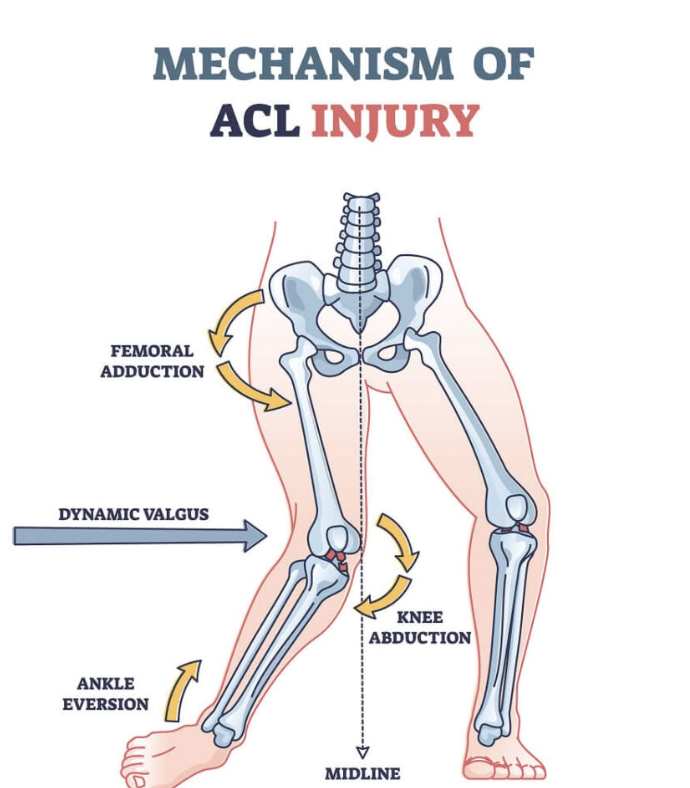
What Causes It?
ACL injuries commonly occur during sports involving sudden deceleration, pivoting, cutting, or landing from a jump — netball, football, basketball, and skiing are common settings. Many injuries happen without any direct contact from another player, simply from the forces generated during a rapid change of direction or an awkward landing.
Common Symptoms
A distinctive pop or snap felt at the time of injury
Rapid swelling within the first few hours
A feeling of instability or the knee giving way
Difficulty continuing the activity you were doing at the time
Pain and reduced range of movement in the days following the injury
How We Diagnose It
Assessment includes specific ligament stability tests, along with a thorough check for associated injuries to the meniscus or other ligaments. Given the significance of this injury, imaging — typically an MRI — is generally recommended to confirm the diagnosis and assess for any associated damage, and we'll organise this promptly alongside a referral to an orthopaedic specialist for their opinion on your specific case.
How Physiotherapy Helps
In the early stages after injury, physiotherapy focuses on reducing swelling, restoring range of motion, and rebuilding strength in preparation for either surgery or a structured non-surgical rehabilitation program, depending on what's decided with your specialist. This pre-surgical period, sometimes called ‘prehab’, has a genuine impact on how well your knee responds afterward.
Whether you proceed with surgical reconstruction or a non-surgical pathway, physiotherapy plays a central, structured role over many months — progressively rebuilding strength, control, and confidence in the knee before a graded return to pivoting and cutting sports. Returning to sport too early, before the knee has demonstrated adequate strength and control, is one of the most significant risk factors for a repeat injury, so we use objective testing rather than just a calendar date to guide this decision.
Self-Care While You Wait For Your Appointment
In the first few days after a suspected ACL injury, protecting the knee, using ice for comfort, and avoiding weight-bearing activities that feel unstable will help manage symptoms. Crutches can be useful if walking feels unsafe. Seek prompt medical assessment, particularly if there's significant swelling, an inability to bear weight, or a strong sense of instability.
Frequently Asked Questions
Do I definitely need surgery for an ACL tear?
Not necessarily. Management depends on your age, activity goals, associated injuries, and how your knee responds to a structured rehabilitation program. Many people manage well without surgery, while others, particularly those returning to pivoting sports, benefit from surgical reconstruction.
How long is recovery after ACL reconstruction?
A safe return to pivoting sport is generally considered around nine to twelve months after surgery, guided by objective strength and control testing rather than time alone.
Can I return to sport without surgery?
Some people, particularly those in sports without significant pivoting demands, do return to their activity successfully with a structured non-surgical rehabilitation program. This is a decision best made together with your specialist and physiotherapist based on your specific knee and goals.
What happens if an ACL injury is left untreated?
An unstable knee left without appropriate rehabilitation carries a higher risk of further injury, including to the meniscus and cartilage, over time. This is why early assessment and a structured plan, whichever pathway you choose, genuinely matters.
Book a Knee Assessment in Erina
If an ACL injury is getting in the way of training, work or everyday life, the sooner it's properly assessed, the sooner we can get you moving with confidence again. Our Erina team will give you a clear diagnosis, an honest treatment plan, and a realistic timeframe — no guesswork, no generic exercise sheets.
Call Thrive Physiotherapy or book online today to get started.
Not sure if this is what's causing your knee pain? Visit our Knee Physiotherapy hub page to see the full range of knee conditions we treat.