

Shoulder Instability Physiotherapy — Erina & Central Coast
A shoulder that feels like it might ‘give way’ overhead, or that's dislocated once before and never quite felt the same since, is describing instability. It's a condition that tends to worry people more than most, simply because it feels unpredictable — but with the right rehab approach, most people can get back to a shoulder that feels genuinely stable and reliable again.
What Is Shoulder Instability?
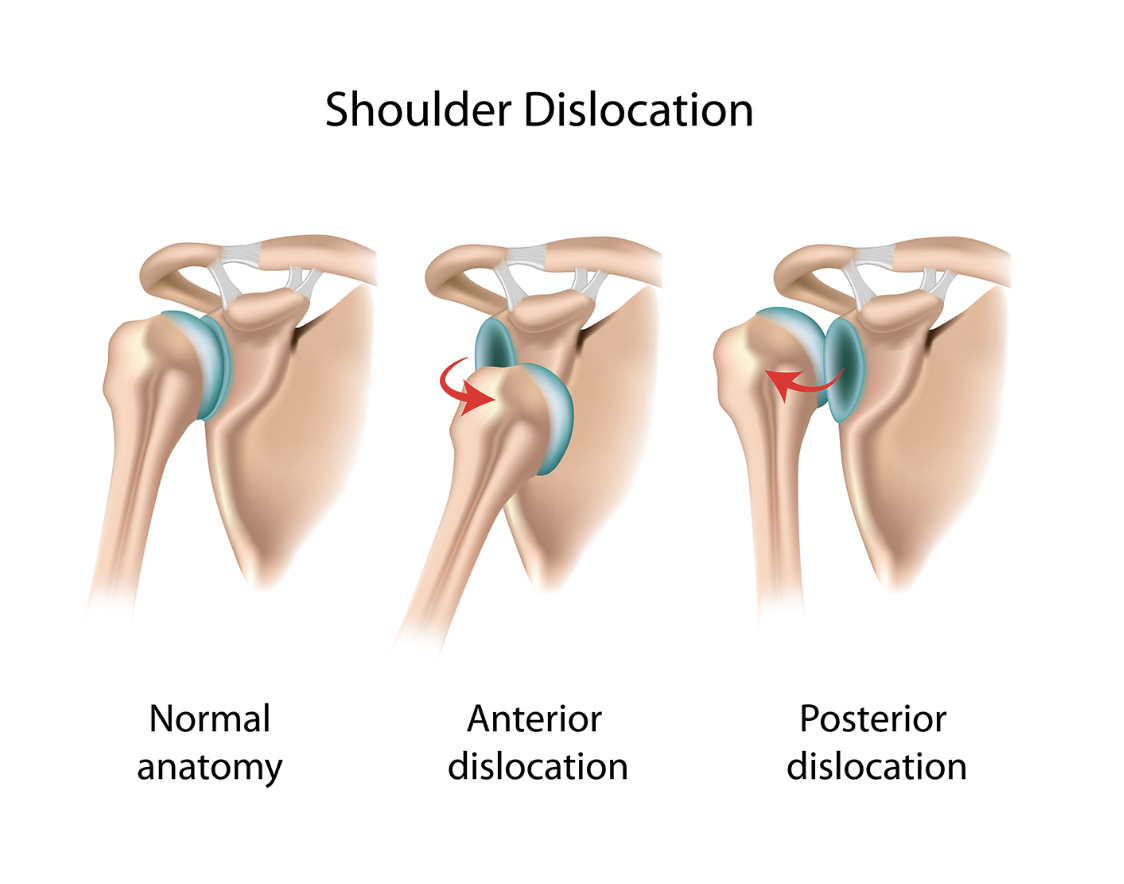
The shoulder is built for a huge range of movement, which naturally comes at some cost to stability. Instability describes a shoulder that moves beyond its normal, controlled range — whether that's a full dislocation, a partial subluxation that pops back into place on its own, or a general sense of looseness that's been there long-term. It can result from a specific traumatic event, or from naturally more flexible ligaments that have never provided quite as much structural support.
It's worth distinguishing instability from general shoulder flexibility, which many people have without any issues at all. What makes it a genuine problem is when that extra movement starts to feel unpredictable, painful, or associated with a real sense that the joint isn't under control — rather than simply being a shoulder that happens to be more mobile than average.
What Causes It?
Traumatic instability usually follows a specific incident — a tackle, a fall with the arm outstretched, or a forceful overhead movement that takes the joint beyond its limits. Once a shoulder has dislocated once, it's statistically more likely to happen again, particularly in younger, more active patients. Non-traumatic instability, on the other hand, often develops gradually in people with naturally looser ligaments, sometimes affecting both shoulders and other joints as well.
Common Symptoms
A feeling that the shoulder might ‘give way’ or slip out of place
Apprehension or hesitation with overhead or ‘arm cocked back’ positions
A history of one or more dislocations or partial subluxations
A vague sense of looseness or weakness, particularly under load
Clicking or clunking sensations with certain movements
How We Diagnose It
Assessment includes a detailed history of how the instability first developed and how many episodes you've had, alongside specific tests that assess the direction and degree of instability. We'll also check the general flexibility of your other joints, since this can indicate whether a broader pattern of ligament laxity is contributing. Imaging or a specialist opinion may be recommended for recurrent or traumatic instability, particularly if surgery is a realistic consideration.
How Physiotherapy Helps
Rehab for shoulder instability is built around strengthening the muscles that dynamically support the joint, since strong, well-coordinated muscles can meaningfully improve how stable a shoulder feels, regardless of what's happening with the underlying ligaments. We'll progress you through a structured program that builds strength and control through increasingly demanding positions, including the overhead and rotated positions that tend to feel most vulnerable.
For traumatic instability, particularly after a first dislocation, we'll talk openly with you about the likelihood of recurrence and whether a conservative program or a surgical opinion is the more appropriate path, based on your age, activity level, and how the shoulder is responding. Whichever direction you take, a solid strength foundation makes a real difference to long-term outcomes.
Confidence is just as important as strength here — many patients unconsciously avoid certain positions long after their shoulder has the physical capacity to handle them. Part of our job is gradually reintroducing those positions in a controlled way so your shoulder and your confidence rebuild together.
Self-Care While You Wait For Your Appointment
If you've had a recent dislocation or subluxation, avoid positions that reproduce the feeling of instability — typically the arm out to the side and rotated back — until you've been properly assessed. Gentle, controlled movement within a comfortable range is generally fine and can help maintain strength while you wait, but high-risk positions are worth avoiding in the short term, particularly for contact sports.
Frequently Asked Questions
Will my shoulder dislocate again?
Recurrence risk depends heavily on your age, activity level, and how many times it's happened before. Younger, more active patients generally carry a higher risk, which is part of why a structured rehab program is so worthwhile.
Do I need surgery for shoulder instability?
Not necessarily. Many people do well with a dedicated strengthening program alone, while others — particularly after repeated dislocations — benefit from a surgical opinion. We'll help you understand where you sit on that spectrum.
Can I still play contact sport with a history of instability?
Many people return to contact sport successfully after a structured rehab program, though it's worth having an honest conversation about your specific risk factors and, in some cases, considering a supportive brace during the return-to-sport phase.
Book a Shoulder Assessment in Erina
If shoulder instability is getting in the way of work, training or sleep, the sooner it's properly assessed, the sooner we can get you moving normally again. Our Erina team will give you a clear diagnosis, an honest treatment plan, and a realistic timeframe — no guesswork, no generic exercise sheets.
Call Thrive Physiotherapy or book online today to get started. Not sure if this is what's causing your shoulder pain? Visit our Shoulder Physiotherapy hub page to see the full range of shoulder conditions we treat.