

Plantar Fasciitis Physiotherapy — Erina & Central Coast
A sharp, stabbing pain in your heel with your very first steps out of bed — that then eases somewhat as you keep walking — is one of the most recognisable patterns in physiotherapy, and a classic sign of plantar fasciitis. It's one of the most common causes of heel pain we see, and while it can be a genuinely stubborn condition, it responds well to a properly structured approach.
What Is Plantar Fasciitis?
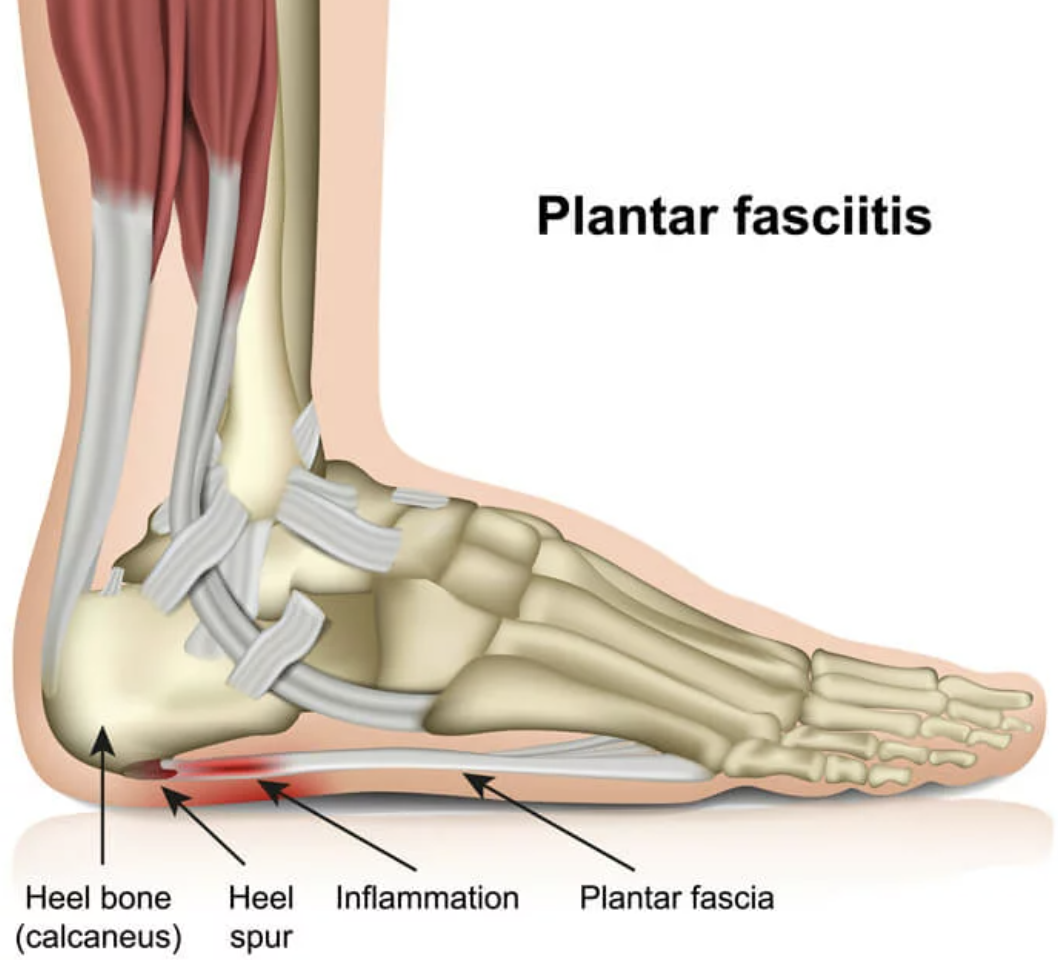
The plantar fascia is a thick band of connective tissue running along the sole of your foot, from your heel to the base of your toes, supporting your arch and absorbing shock with every step. Plantar fasciitis describes an overload injury to this tissue, most commonly where it attaches to the heel bone, leading to pain, stiffness, and reduced tolerance to weight-bearing activity.
The characteristic first-steps pain relates to the fascia tightening overnight and then being suddenly stretched again with your first steps. This pattern, while uncomfortable, is a useful diagnostic clue and doesn't indicate ongoing damage each time it happens.
What Causes It?
Plantar fasciitis is often related to a recent increase in walking or standing time, a change in footwear, or a change in walking or running surface. It's more common in people managing higher body weight, which increases load through the fascia, and in occupations involving long periods of standing on hard surfaces, such as retail and hospitality work.
Common Symptoms
Sharp, stabbing heel pain with the first steps in the morning
Pain that eases somewhat with continued walking, then worsens again later
Pain after prolonged standing or at the end of a long shift
Tenderness with direct pressure on the bottom of the heel
Pain that flares after a return to activity following rest
How We Diagnose It
Diagnosis is generally clinical, based on the distinctive pattern of first-steps pain, the location of tenderness, and specific tests that stretch and load the fascia to reproduce your symptoms. We'll also assess your foot posture, footwear, and any recent changes in activity or standing time that may have contributed. Imaging isn't usually necessary to confirm the diagnosis.
How Physiotherapy Helps
Treatment typically includes a progressive loading program for the plantar fascia and calf complex, along with practical advice on footwear and activity modification while symptoms settle. Addressing calf tightness and foot and ankle strength more broadly is often an important part of the picture, since these areas influence how much load the fascia is asked to absorb with each step.
For persistent cases, we may also discuss options like taping or temporary orthotic support to help offload the fascia while the underlying strength and loading program takes effect. Recovery can take longer than people expect, and consistency with the exercise program over several weeks to months tends to matter more than any single treatment technique.
Self-Care While You Wait For Your Appointment
Supportive, cushioned footwear, even around the house, can help reduce symptoms in the short term. Gentle calf and plantar fascia stretching, along with rolling the arch of your foot over a firm ball, may provide some relief. Avoiding prolonged barefoot walking on hard floors, and pacing standing time where possible, will also help while you wait for your assessment.
Frequently Asked Questions
How long does plantar fasciitis take to resolve?
It varies, but many cases improve within six to twelve weeks with a consistent program, and more longstanding cases can take several months. Patience and consistency make a genuine difference to outcomes.
Do I need orthotics for plantar fasciitis?
Not always. Some people benefit from temporary supportive inserts while the underlying issue is addressed, but orthotics alone rarely resolve plantar fasciitis without an accompanying loading and strengthening program.
Should I rest completely or keep walking?
Complete rest isn't usually necessary or particularly helpful. We'll help you find the right balance of activity modification and appropriate loading to support recovery without unnecessarily restricting you.
Book an Ankle & Foot Assessment in Erina
If plantar fasciitis is getting in the way of walking, training or work, the sooner it's properly assessed, the sooner we can get you moving with confidence again. Our Erina team will give you a clear diagnosis, an honest treatment plan, and a realistic timeframe — no guesswork, no generic exercise sheets.
Call Thrive Physiotherapy or book online today to get started.
Not sure if this is what's causing your ankle or foot pain? Visit our Ankle & Foot Physiotherapy hub page to see the full range of conditions we treat.