

Cervicogenic Headache Physiotherapy — Erina & Central Coast
What Is a Cervicogenic Headache?
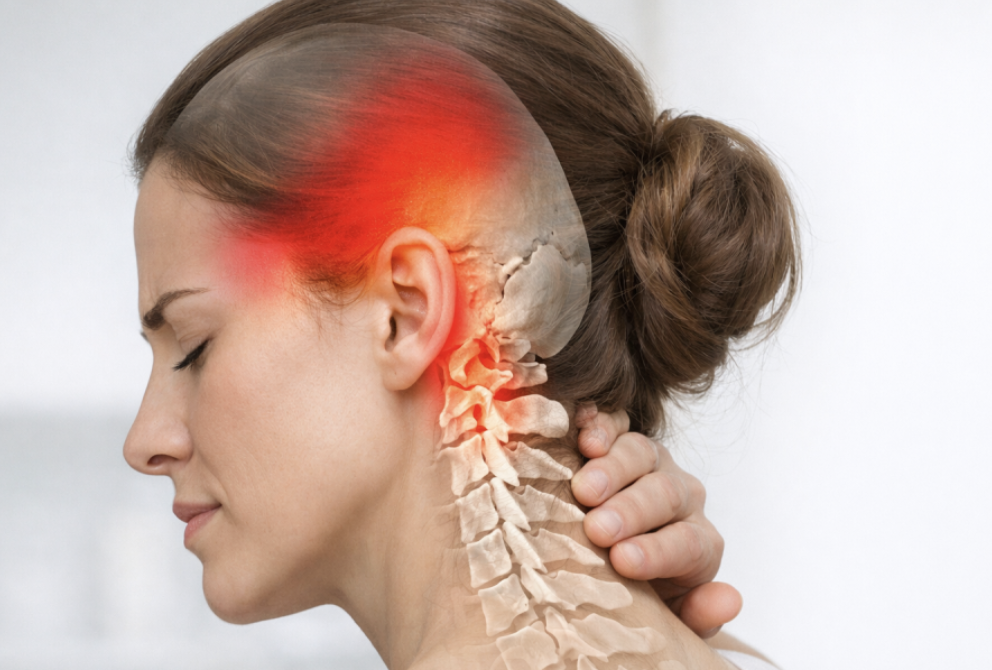
A cervicogenic headache is caused by irritation of the joints, muscles, or nerves in the upper part of the neck, which then refers pain into the head. The upper cervical joints in particular share nerve pathways with the head and face, which is why irritation here can produce headache symptoms that feel like they're coming from behind the eye or across the temple, even though the true source is in the neck.
It's frequently mistaken for a tension headache or migraine, since the symptoms can overlap considerably. One key distinguishing feature is that cervicogenic headaches are often provoked or worsened by specific neck movements or positions, which isn't typically the case with migraines.
A headache that seems to start at the base of your skull and spread forward, often on one side, particularly after a long day at a desk, may not be a headache at all in the way you'd expect — it may be a cervicogenic headache, originating from your neck rather than from within your head. It's a genuinely common and frequently under-recognised source of headaches, and it responds well to the right treatment.
What Causes It?
Cervicogenic headaches are commonly related to prolonged poor posture, particularly forward head posture during long periods at a desk or on a phone, as well as stiffness or irritation in the upper cervical joints from previous neck injury, such as whiplash. Stress and tension through the neck and shoulders can also contribute significantly.
Common Symptoms
A one-sided headache starting at the base of the skull
Pain spreading toward the forehead, temple, or behind the eye
Headache that's worsened by specific neck movements or sustained postures
Neck stiffness accompanying the headache
Headaches that build gradually across a day at a desk
How We Diagnose It
Assessment includes specific tests of your upper cervical joint movement and a careful history distinguishing your headache pattern from other headache types like migraine or tension headache. We'll often be able to reproduce your headache symptoms by testing specific neck movements and positions, which helps confirm the neck as the primary source. Imaging isn't usually necessary to confirm the diagnosis.
How Physiotherapy Helps
Treatment typically includes hands-on techniques targeting the upper cervical joints and surrounding muscles, which often provides meaningful relief from the early sessions. Combined with this, we'll build a strengthening program for your deep neck flexors and postural muscles, since improved strength and control here is one of the most effective ways to reduce the frequency and intensity of these headaches long-term.
We'll also look closely at your workstation setup, screen height, and daily postural habits, since these are frequently significant contributing factors. For headaches related to stress and tension, addressing this alongside the physical treatment tends to produce better, more lasting results than either approach on its own.
Self-Care While You Wait For Your Appointment
Taking regular breaks from prolonged desk or screen postures, and being mindful of forward head posture during phone use, can help reduce symptoms in the short term. Gentle neck stretches and self-massage of the upper neck and base of the skull may also provide some temporary relief.
Frequently Asked Questions
How do I know if my headache is coming from my neck?
A headache that's provoked by specific neck movements or positions, accompanied by neck stiffness, and starts at the base of the skull is suggestive of a cervicogenic origin. A thorough assessment can confirm this by reproducing your symptoms.
Can physiotherapy help migraines too?
While migraines have a different underlying mechanism, some people have a combination of migraine and cervicogenic headache, and addressing the neck component can still provide meaningful relief even if it doesn't resolve migraine symptoms entirely.
How long until my headaches improve?
Many people notice improvement within six to twelve weeks with a consistent program, though this varies depending on how long the pattern has been established and how much postural change is needed.
Can poor posture alone cause these headaches?
Sustained poor posture is a very common contributing factor, but it's rarely the only one. We'll assess your neck's movement and joint irritability directly rather than assuming posture is the sole cause.
Book a Neck Assessment in Erina
If cervicogenic headaches is getting in the way of work, sleep or everyday life, the sooner it's properly assessed, the sooner we can get you moving with confidence again. Our Erina team will give you a clear diagnosis, an honest treatment plan, and a realistic timeframe — no guesswork, no generic exercise sheets
Call Thrive Physiotherapy or book online today to get started.
Not sure if this is what's causing your neck pain? Visit our Cervical Spine Physiotherapy hub page to see the full range of neck conditions we treat.