

Cervical Radiculopathy Physiotherapy — Erina & Central Coast
Pain, numbness, or tingling that travels from your neck into your shoulder, arm, or hand is the hallmark of cervical radiculopathy — essentially the neck's equivalent of sciatica. It can be genuinely disruptive, particularly in the early stages, but the outlook is generally very good with the right management.
What Is Cervical Radiculopathy?
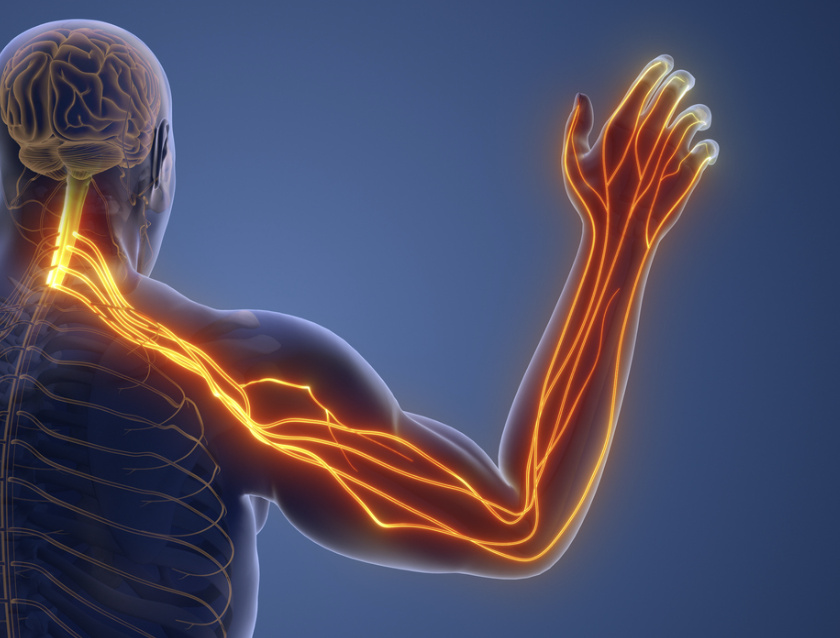
Cervical radiculopathy describes symptoms caused by irritation or compression of a nerve root as it exits the cervical spine, most commonly related to a disc bulge or degenerative changes narrowing the space available for the nerve. This irritation produces symptoms that travel along the path of the nerve into the shoulder, arm, or hand, rather than staying isolated to the neck.
It's worth knowing that disc bulges and degenerative changes are extremely common, including in people with no symptoms at all. What matters clinically is whether a particular change is actively irritating a nerve, not simply whether one shows up on a scan.
What Causes It?
Cervical radiculopathy can develop gradually from age-related degenerative changes narrowing the space around the nerve, or occasionally follow a specific neck injury or awkward movement. It's more common in people with a history of previous neck problems, and in occupations involving prolonged neck positions or repetitive overhead work.
Common Symptoms
Pain, numbness, or tingling travelling into the shoulder, arm, or hand
Arm symptoms that are sometimes more troublesome than the neck pain itself
Pain that worsens with certain neck positions, particularly looking up or turning toward the affected side
Weakness in the arm or hand in more significant cases
Symptoms that may ease with the arm resting in certain positions
How We Diagnose It
Assessment includes specific neurological tests — checking reflexes, strength, and sensation in the arm — alongside neck movements and positions that help identify which nerve root is likely involved and how irritable it currently is. Imaging isn't usually needed initially, since the clinical picture is often clear, and most cases improve without ever requiring a scan. We reserve imaging for cases with significant or progressive weakness, or when recovery isn't following the expected pattern.
How Physiotherapy Helps
In the acute, irritable stage, treatment focuses on reducing nerve irritation through specific positioning, movement, and hands-on techniques, along with clear guidance on what to avoid temporarily. Most people are relieved to learn that gentle, guided movement is generally more helpful than strict rest, even though it can feel counterintuitive when arm pain is significant.
As symptoms settle, we progress into a strengthening program targeting your neck and shoulder girdle, since building genuine strength and load tolerance is what protects against a repeat episode. Recovery is often not perfectly linear — arm symptoms can take longer to fully resolve than neck pain, and we'll help you understand what a normal, if occasionally frustrating, recovery trajectory looks like.
Self-Care While You Wait For Your Appointment
Avoid prolonged positions that consistently worsen your arm symptoms, such as looking up for extended periods. Gentle neck movement within a comfortable range is often well tolerated and helpful. If you notice new or rapidly worsening weakness in your arm or hand, seek prompt medical attention.
Frequently Asked Questions
Will I need surgery for cervical radiculopathy?
Only a small minority of cases require surgery. The large majority of cases improve significantly with conservative management, and surgery is generally reserved for cases with significant or worsening weakness or symptoms that aren't settling despite appropriate treatment.
How long does cervical radiculopathy take to improve?
It varies, but many cases show meaningful improvement within six to twelve weeks, though full resolution of arm symptoms can sometimes take longer than the neck pain itself.
Is it safe to keep working with arm symptoms from my neck?
In most cases yes, with some temporary modifications, particularly avoiding sustained positions that provoke your symptoms. We'll help you identify practical adjustments for your specific work tasks.
Book a Neck Assessment in Erina
If cervical radiculopathy is getting in the way of work, sleep or everyday life, the sooner it's properly assessed, the sooner we can get you moving with confidence again. Our Erina team will give you a clear diagnosis, an honest treatment plan, and a realistic timeframe — no guesswork, no generic exercise sheets.
Call Thrive Physiotherapy or book online today to get started.
Not sure if this is what's causing your neck pain? Visit our Cervical Spine Physiotherapy hub page to see the full range of neck conditions we treat.